Archive for October 2026
Cupping Therapy Benefits With a Chiropractor in Dunedin, FL
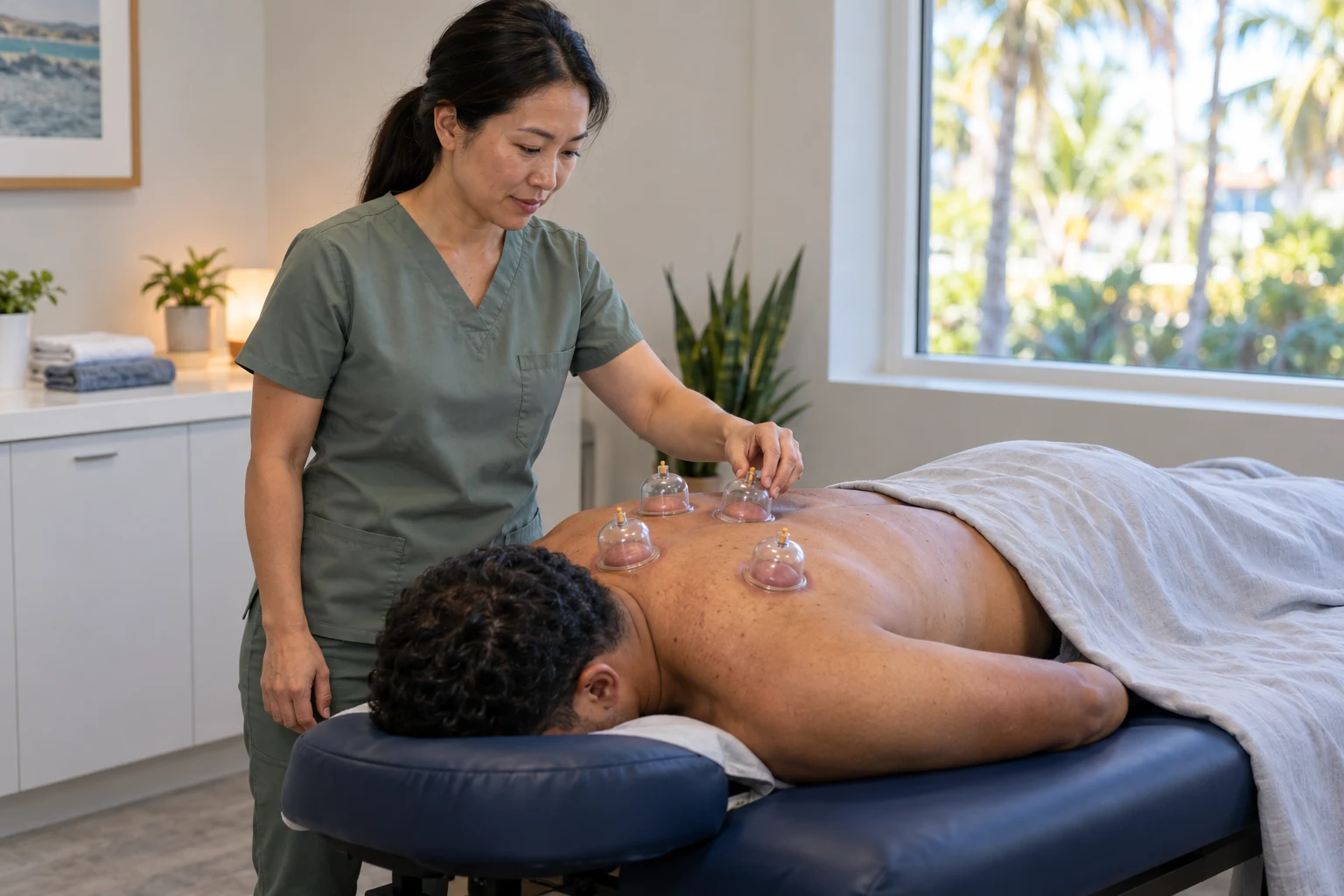
| Cupping therapy uses suction cups on the skin to lift muscle and fascia, increase blood flow and relieve tension, which can ease back, neck and shoulder pain and support recovery. The round marks it leaves are temporary and usually fade within a few days to two weeks. Hayes Family Chiropractic in Dunedin, FL offers cupping as part of a complete care plan with chiropractic adjustments, acupuncture and Class 4 MLS laser therapy. |
What Is Cupping Therapy?
Cupping is an ancient therapy used in traditional Chinese, Middle Eastern and other healing systems for thousands of years. It gained worldwide attention when elite athletes appeared with round cupping marks on international television. Today, many chiropractors use cupping as a modern soft tissue tool alongside adjustments and exercise.
How Does Cupping Work?
Unlike hands-on soft tissue work, which presses into tissue, cupping uses negative pressure to gently lift the skin, fascia and muscle. This lift can:
- Increase blood flow to tight or injured areas
- Release tension in fascia and muscles
- Reduce muscle soreness and stiffness
- Improve range of motion
- Promote relaxation by calming the nervous system
Benefits of Cupping Therapy
- Relief from low back, neck and shoulder pain
- Support for tension headaches and migraines
- Faster recovery for active adults and athletes
- Help with tight hamstrings, hips and calves
- A drug-free option that pairs well with chiropractic care
- A relaxing experience many patients look forward to
What Do Cupping Marks Mean?
Cupping marks are circular discolorations caused by blood rising toward the surface of the skin under suction. They are not bruises from impact and are usually painless. Marks range from light pink to deep purple depending on tissue tension, circulation and how long the cups stay on. They typically fade within a few days to two weeks.
Is Cupping Safe?
Cupping is considered safe for most people when performed by a trained provider. Mild side effects include temporary marks, slight soreness or skin sensitivity. Cupping may not be appropriate if you have bleeding disorders, take blood thinners, are pregnant (in certain areas), or have skin infections, open wounds or recent sunburn. Your doctor reviews your health history first.
Cupping and Chiropractic Care Together
At Hayes Family Chiropractic, cupping is offered as part of a broader care plan. Releasing tight muscles first can make adjustments more comfortable and effective, while adjustments restore joint motion that keeps muscles from tightening again. Many patients also combine cupping with acupuncture from Dr. Diane Hayes, a Fellow of the International Academy of Medical Acupuncture, and with laser therapy for deeper relief.
Types of Cupping Therapy
There are several styles of cupping. Dry cupping, the most common in chiropractic offices, uses suction alone. Stationary cupping leaves cups in place for several minutes, while moving or gliding cupping slides the cups across the skin with a light oil to release larger areas of tight tissue. Fire cupping, a traditional method, uses heat to create suction, while modern offices usually use silicone or plastic cups with a hand pump for precise control. Your doctor chooses the style that best fits your symptoms and comfort.
The Science Behind Cupping
Research on cupping is still growing, but studies suggest it may help reduce neck and back pain and improve how people feel day to day, especially when combined with other care. Researchers believe the benefits come from increased local blood flow, changes in how the nervous system processes pain signals and the release of tight fascia. That is why we use cupping as one part of a complete plan rather than a stand-alone fix.
Who Can Benefit Most From Cupping?
Cupping is especially helpful for people with tight shoulders and upper back from desk work or tech neck, active adults recovering from workouts or pickleball, people with chronic low back tension and anyone who carries stress in their muscles. It is also a good option for patients who want a drug-free, relaxing way to support recovery between chiropractic visits.
What to Expect at Your Cupping Session
Your doctor will discuss your symptoms, then place cups on the treatment area for about 5 to 15 minutes. You will feel a pulling sensation that most people find relaxing. Afterward, drink water, avoid very hot showers for a few hours and expect any marks to fade gradually.
Aftercare Tips for Cupping
Drink plenty of water after your session, avoid very hot showers, saunas and intense workouts for the rest of the day, and keep the treated area covered from strong sun while marks are visible. Mild soreness can feel like a light workout and usually fades within a day. If you notice anything unusual, call our office.
Cupping Therapy Near Dunedin, Clearwater and Palm Harbor
Visit Hayes Family Chiropractic at 516 Patricia Ave., Dunedin, FL 34698, serving Clearwater, Palm Harbor, Safety Harbor, Tarpon Springs and Oldsmar. Call (727) 736-1000 or request an appointment.
Cupping Therapy: Frequently Asked Questions
Does cupping therapy hurt?
How long do cupping marks last?
What are the benefits of cupping therapy?
Is cupping therapy safe?
How often should I get cupping?
Can cupping help back pain?
What is the difference between cupping and acupuncture?
Should I exercise after cupping?
Can cupping help headaches?
Who should not get cupping therapy?
Does insurance cover cupping therapy?
Do you offer cupping near Clearwater and Palm Harbor?
Can cupping help with stress and sleep?
Is cupping the same as dry needling?
Florida’s 14-Day Rule and Car Accident Chiropractic Care in Dunedin, FL
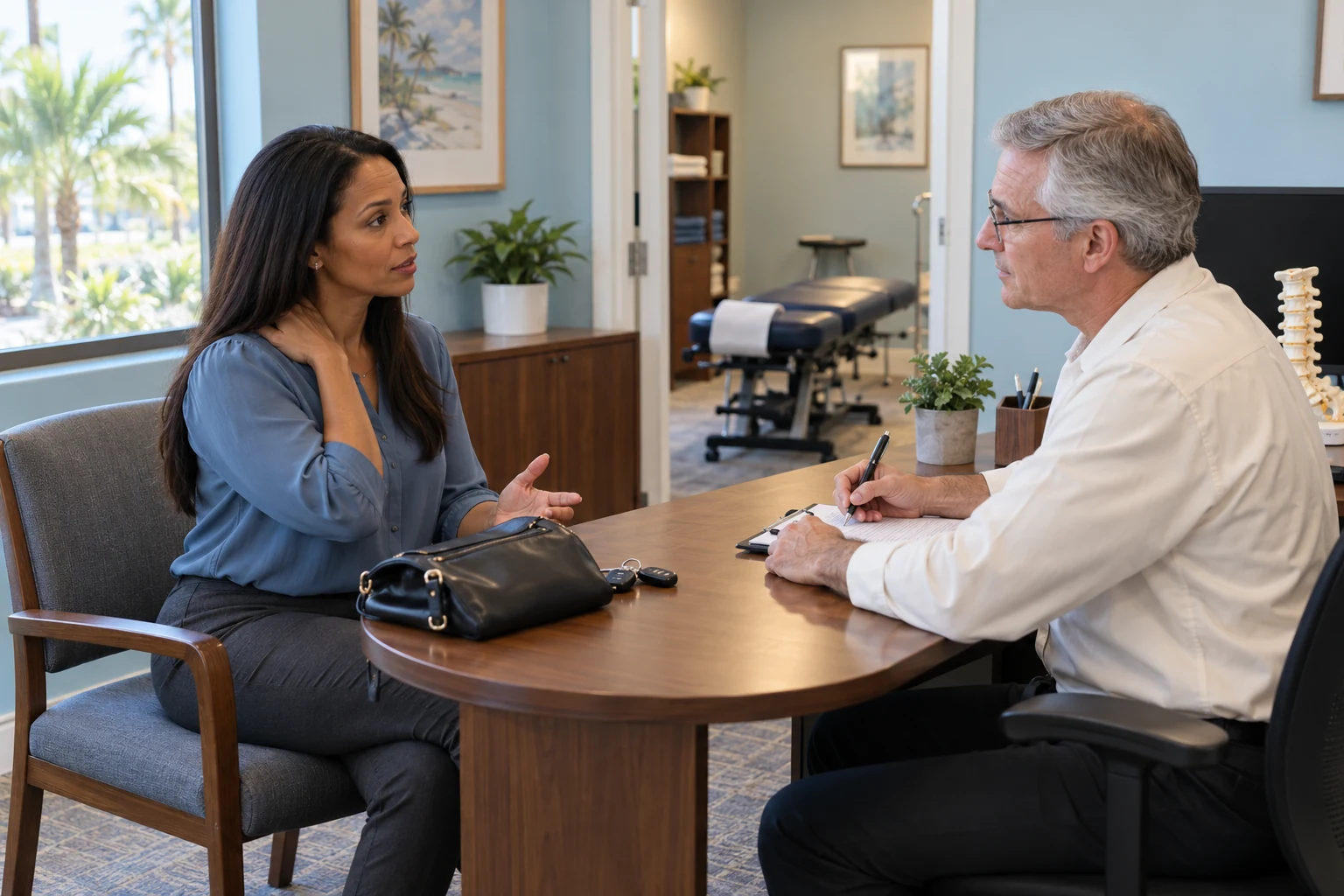
| Florida’s 14-day rule requires you to receive initial medical care within 14 days of a car accident to use your Personal Injury Protection (PIP) benefits, which can cover up to $10,000 of reasonable medical expenses. Chiropractic physicians are among the providers who can deliver that initial care. Hayes Family Chiropractic in Dunedin, FL treats whiplash and auto injuries, coordinates with your personal injury case and offers same-day appointments. |
What Is Florida’s 14-Day PIP Rule?
Florida is a no-fault insurance state, which means your own Personal Injury Protection coverage pays first for medical care after a car accident, no matter who caused it. Under Florida law, you must receive initial services and care within 14 days of the accident to use those PIP medical benefits. If you wait longer, you may lose PIP coverage for your injuries entirely.
How Much Does PIP Cover?
- Up to $10,000 in benefits when a qualified provider determines you have an emergency medical condition
- Up to $2,500 when no emergency medical condition is documented
- Generally 80 percent of reasonable medical expenses
- Generally 60 percent of lost income, within the same overall limit
Can a Chiropractor Provide Initial Care Under the 14-Day Rule?
Yes. Chiropractic physicians licensed in Florida are among the providers who can deliver initial services and care within the 14-day window, along with medical doctors, osteopathic physicians, dentists for dental injuries, emergency services and hospitals. A determination of an emergency medical condition, which unlocks the higher $10,000 limit, must come from a medical doctor, osteopathic physician, dentist, physician assistant or advanced practice registered nurse. Our office coordinates with these providers when needed.
Why You Should Get Checked Even if You Feel Fine
Adrenaline after a crash can mask pain for hours or days. Whiplash, soft tissue injuries and concussion symptoms often appear later. Early evaluation documents your injuries for insurance purposes and starts treatment before stiffness and inflammation set in.
Common Car Accident Injuries We Treat
- Whiplash and neck sprain or strain
- Low back pain and disc injuries
- Headaches after a car accident
- Shoulder and upper back pain
- Sciatica and radiating nerve pain
- Muscle spasms and stiffness
How Chiropractic Care Helps After a Car Accident
Treatment may include gentle adjustments to restore spinal motion, soft tissue therapy, manual decompression, corrective exercise and Class 4 MLS laser therapy to reduce pain and inflammation. Detailed documentation of your exam, imaging and progress supports your PIP claim and any personal injury case.
Signs of Whiplash to Watch For
Whiplash happens when the head is thrown forward and backward quickly, straining the muscles, ligaments and joints of the neck. Watch for neck pain and stiffness, reduced range of motion, headaches at the base of the skull, shoulder or upper back pain, dizziness, fatigue, blurred vision, ringing in the ears and tingling in the arms. Even low-speed collisions in parking lots and at traffic lights can cause whiplash, so do not assume a minor crash means no injury.
Car Accident Injuries in Dunedin and Pinellas County
Busy roads like Alternate 19, Curlew Road and Main Street see frequent rear-end collisions, especially during tourist season and rush hour. Rear-end crashes are one of the most common causes of whiplash, even at low speeds. Whether your accident happened in Dunedin, Clearwater, Palm Harbor or elsewhere in Pinellas County, getting evaluated quickly protects both your recovery and your benefits.
Why Documentation Matters for Your Claim
Insurance companies look closely at the timing and consistency of care. A prompt exam, clear notes about your symptoms, imaging when needed and regular progress reports create a record that connects your injuries to the accident. Missing appointments or long gaps in care can make it harder to show that your treatment was necessary. Our office keeps thorough records and communicates with insurers and attorneys when you authorize it.
What to Do After a Car Accident in Pinellas County
- Call 911 and get emergency care if anyone is seriously hurt.
- Report the accident and get a copy of the crash report.
- Photograph the vehicles, scene and visible injuries.
- Notify your auto insurance company.
- Get evaluated by a qualified provider within 14 days.
- Keep records of treatment, mileage and missed work.
How Long Should Chiropractic Care Last After an Accident?
Recovery depends on the force of the collision, your age, prior injuries and how quickly you start care. Many patients follow a plan of several visits per week at first, then taper as pain and range of motion improve. Your doctor re-examines you regularly to measure progress and update your plan, and stays in communication with your other providers when needed.
Auto Injury Chiropractor Near Dunedin, Clearwater and Palm Harbor
Hayes Family Chiropractic is at 516 Patricia Ave., Dunedin, FL 34698, serving accident victims from Clearwater, Palm Harbor, Safety Harbor, Tarpon Springs and Oldsmar. Call (727) 736-1000 or request an appointment. Same-day appointments are available.
Florida 14-Day Rule: Frequently Asked Questions
What happens if I miss the 14-day deadline in Florida?
Does seeing a chiropractor count for the 14-day rule?
How much will PIP pay for chiropractic care?
Who can diagnose an emergency medical condition for PIP?
What if I feel fine after a car accident?
How long after a car accident can whiplash symptoms appear?
Does PIP cover lost wages?
Do I need a lawyer to see a chiropractor after an accident?
How long will I need chiropractic care after a car accident?
Can chiropractic care help headaches after a car accident?
Is laser therapy helpful for car accident injuries?
Do you see car accident patients from Clearwater and Palm Harbor?
Should I go to the ER or a chiropractor after a car accident?
Chiropractic Care for Neck Pain and Tech Neck in Dunedin, FL: Causes, Treatments and Prevention
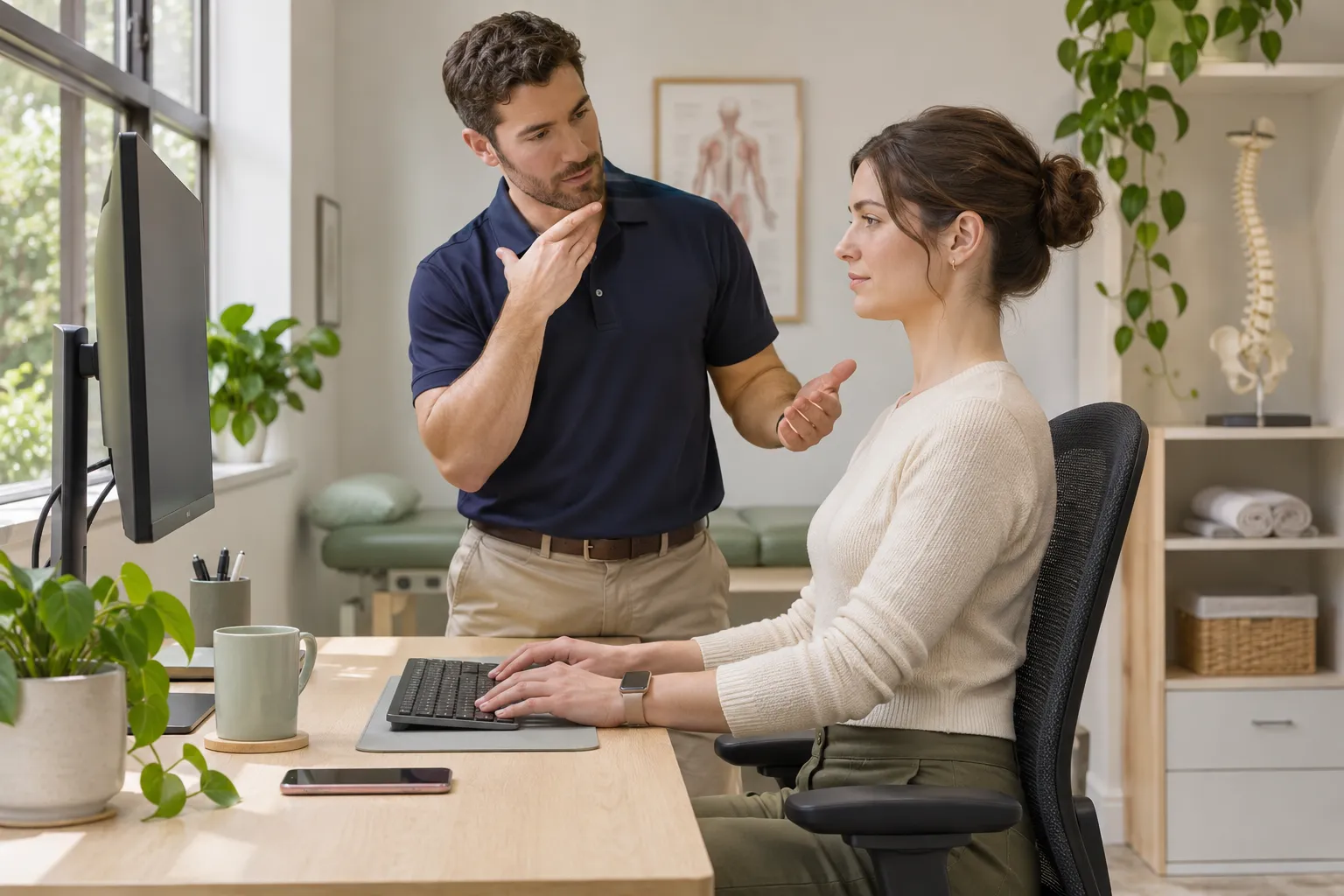
A chiropractor can help many people with neck pain and tech neck by restoring joint motion, easing muscle tension, and teaching better posture habits, and research suggests spinal manipulation may reduce acute neck pain. Care may combine adjustments, laser therapy, exercises, and in-office massage therapy. Severe pain with weakness or fever needs medical care first.
What Causes Neck Pain and Tech Neck?
Most neck pain comes from the muscles, joints, and discs of the cervical spine rather than a serious disease. Mayo Clinic lists common causes as muscle strain, worn joints, nerve compression from herniated discs or bone spurs, injuries such as whiplash, and, less often, diseases such as rheumatoid arthritis or meningitis. Tech neck is a nickname for neck and upper back strain linked to looking down at phones, tablets, and laptops for long periods. A 2014 study in Surgical Technology International estimated that tilting the head forward 15 degrees raises the load on the neck to about 27 pounds, and a 60-degree tilt raises it to about 60 pounds. Holding that position for hours can tire the muscles at the back of the neck and between the shoulder blades. Poor sleep positions, stress, and long drives can add to the strain.
- Looking down at a phone or tablet for long stretches
- A laptop or monitor set below eye level
- A pillow that leaves the neck bent or twisted
- Car accidents, falls, and sports injuries
- Age-related wear in the neck joints and discs
Can a Chiropractor Help Neck Pain in Dunedin, FL?
For many common types of neck pain, yes. NCCIH summarizes a 2021 analysis of 6 studies with 446 participants showing that spinal manipulation, alone or with other treatments, reduced acute neck pain, and a 2019 review of 47 trials suggesting that manipulation or mobilization may reduce chronic neck pain and improve function. Researchers caution that many of these studies were small, so the evidence is rated low to moderate quality. A chiropractor starts with a history and exam to check how your neck moves, where it hurts, and whether nerves are involved. If your symptoms point to something that needs imaging or medical care, the right step is a referral. Neck pain after an accident deserves prompt attention, and our page on whiplash care explains what to watch for. Treatment tends to help most when paired with movement and posture changes at home.
What Chiropractic Treatments Help Neck Pain and Tech Neck?
Treatment depends on what the exam shows, and most plans combine several approaches. Chiropractic adjustments use controlled, hand-delivered force to improve motion in stiff joints, and you can always ask for a gentler, lower-force option. Laser therapy may help calm pain and inflammation in irritated tissues, and a 2009 Lancet review found that low-level laser therapy reduced chronic neck pain for up to 22 weeks after treatment. Soft tissue work and massage can loosen tight muscles in the neck and shoulders, and Hayes Family Chiropractic now offers massage therapy in the office, with limited availability each week. Exercise ties it all together by building strength in the muscles that hold your head up. Your doctor should explain what each part of the plan is for, how often to come in, and when your progress will be reassessed, so you know what to expect.
- Chiropractic adjustments to restore joint motion
- M6 MLS Class IV laser and Class II low-level laser therapy
- In-office massage therapy for tight neck and shoulder muscles
- Posture coaching and home exercise plans
- Acupuncture and cupping when appropriate
What Exercises Help Relieve Tech Neck?
Simple, regular movement can ease tech neck and help keep it from coming back. Mayo Clinic suggests gentle stretches such as slowly turning the head from side to side and tilting it up and down. Chin tucks are a common exercise: sit tall, draw your chin straight back as if making a double chin, hold for a few seconds, and relax. Shoulder blade squeezes help counter rounded shoulders. Doorway chest stretches open the tight muscles in the front of the chest that pull the shoulders forward. Do these exercises slowly, and stop if they cause sharp pain, numbness, or tingling. Aim for short sessions spread through the day instead of one long session. Your chiropractor can check your form, adjust the exercises to fit your condition, and add strength work as you improve. With neck exercises, consistency matters more than intensity, so build them into your daily routine.
How Can You Prevent Tech Neck at Home and Work in Dunedin, FL?
Prevention comes down to how you position your screens and how often you move. Mayo Clinic advises keeping your computer screen at eye level and holding small devices up rather than bending your neck down to look at them. Support your lower back when you sit, keep your feet flat on the floor, and let your shoulders relax. Take regular short breaks to stand, roll your shoulders, and look up and around the room. Use a headset or speakerphone for long calls instead of cradling the phone between your ear and shoulder. At night, choose a pillow that keeps your neck in line with your spine. For many people in Dunedin, long commutes across Pinellas County and hours on a laptop add up, so building these habits into your day can make a real difference over time. Small changes, repeated daily, tend to matter most.
When Is Neck Pain a Medical Emergency?
Most neck pain improves with time and conservative care, but some symptoms need urgent medical attention. Mayo Clinic advises emergency care for severe neck pain after a serious injury such as a car crash, diving accident, or fall, for neck pain with weakness in an arm or leg, and for severe neck pain with a high fever, which can signal meningitis. You should also see a healthcare professional if pain spreads down your arms, keeps getting worse, or comes with numbness, tingling, or headache. Rarely, a tear in a neck artery, called cervical artery dissection, can cause neck pain and lead to stroke. The American Heart Association has noted an association between neck manipulation and these tears, though cause and effect has not been established. Call 911 for the warning signs below, whether or not you have had recent neck treatment.
- Sudden weakness or numbness in an arm or leg, or trouble walking
- Dizziness, vertigo, double vision, or unsteadiness
- Slurred speech, nausea, or vomiting with neck or head pain
- Severe neck pain with a high fever
- Severe neck pain after a fall, crash, or diving accident
How Can Hayes Family Chiropractic Help With Neck Pain and Tech Neck in Dunedin, FL?
Hayes Family Chiropractic is located at 516 Patricia Ave. in Dunedin and serves patients from Clearwater, Palm Harbor, and throughout Pinellas County. Dr. Chris Hayes and Dr. Diane Hayes bring decades of combined experience and can combine adjustments, laser therapy, posture guidance, and home exercises in one plan. Massage therapy is now offered in the office with limited weekly availability, so call ahead to book a session. If your neck pain comes with headaches, you can also read about our approach to migraine and headache care. The office accepts most major insurance and verifies your benefits before your first visit, and same-day appointments are available. To schedule a neck pain evaluation, call (727) 736-1000. This article is for general education and is not a substitute for medical advice. Talk with a licensed provider about your symptoms.
Frequently Asked Questions About Neck Pain and Tech Neck
What is tech neck?
Tech neck is a common name for neck, shoulder, and upper back strain linked to looking down at phones, tablets, and computers for long periods. Bending the head forward increases the load on the neck, and one 2014 study estimated that a 60-degree tilt puts about 60 pounds of force on the cervical spine. Symptoms often include stiffness, aching, and tension headaches.
How long does neck pain take to improve with chiropractic care?
It depends on the cause, how long you have had pain, and your daily habits. Recent strain often improves faster than long-standing pain. Mayo Clinic advises seeing a healthcare professional if neck pain lasts several weeks despite self-care. Your chiropractor should recheck your progress regularly and change the plan or refer you elsewhere if you are not improving as expected.
Is it safe to have my neck adjusted?
For most people, the risk of a serious problem from a neck adjustment is low. NCCIH reports that mild soreness, stiffness, or headache are common afterward and usually fade within 24 hours. Very rare cases of neck artery tears have been reported. Share your full health history with your chiropractor, and ask for gentler, low-force techniques if you prefer them.
Should I see a chiropractor or a medical doctor for neck pain?
If you have severe pain after an injury, weakness, numbness, a high fever, or trouble walking, see a medical doctor or go to the emergency room first. For common neck stiffness and strain without warning signs, a chiropractor is a reasonable place to start. You can learn more about our doctors and how they evaluate new patients.
Can massage therapy help neck pain?
Massage may help ease tight neck and shoulder muscles. Mayo Clinic notes that a trained therapist can knead tense neck muscles, which may help chronic neck pain. Massage often works well alongside adjustments and exercise. Hayes Family Chiropractic offers in-office massage therapy with limited availability each week, so call the office ahead of time to book a session.
How should I sleep if I have neck pain?
Many people find sleeping on the back or side more comfortable than sleeping on the stomach, which keeps the neck turned for hours. Use a pillow that keeps your head level with your spine rather than propped up or dropped down. If neck pain wakes you up at night or comes with fever, numbness, or weakness, see a healthcare provider.
Pickleball Injuries and Chiropractic Care in Dunedin, FL
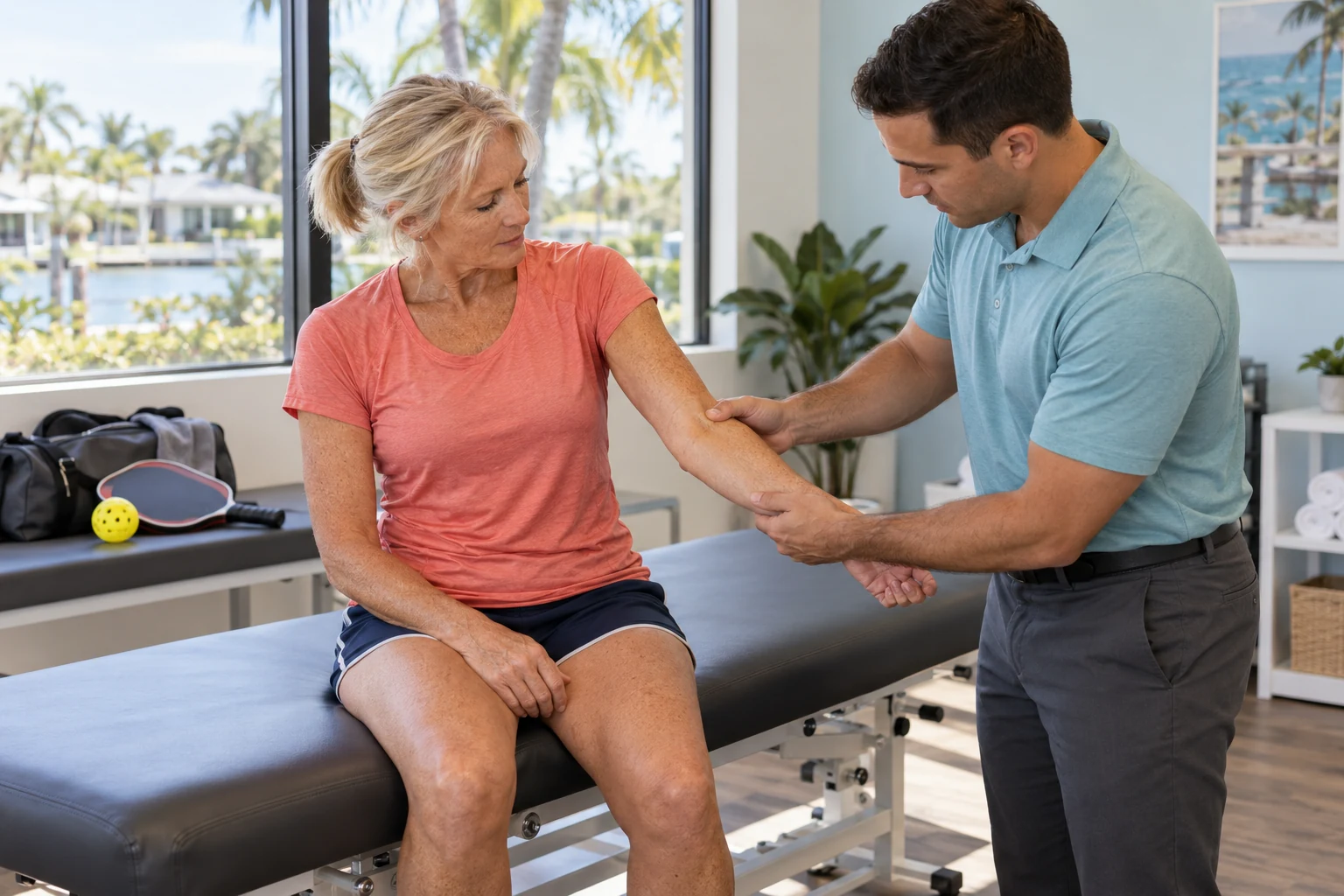
| The most common pickleball injuries are low back strain, tennis elbow, shoulder and rotator cuff pain, knee pain, ankle sprains and Achilles problems, caused by quick lateral moves, repetitive swings and bending for low balls. A chiropractor in Dunedin, FL can help players recover with adjustments, soft tissue work, corrective exercise and laser therapy. Hayes Family Chiropractic treats sports injuries with chiropractic care and Class 4 MLS laser therapy. |
Why Pickleball Injuries Are on the Rise
Pickleball is the fastest-growing sport in America, and the Tampa Bay area is one of its hotspots. Courts across Pinellas County fill up from morning to evening with players of every age. The game is easy to learn, but its quick starts, sudden stops, twisting swings and constant bending can strain muscles, joints and the spine, especially for players returning to sport after years away or those playing several times a week.
The Most Common Pickleball Injuries
- Low back pain: bending for low dinks and twisting during groundstrokes stresses the lumbar spine and discs.
- Pickleball elbow (tennis elbow): repetitive gripping and paddle strokes irritate the forearm tendons.
- Shoulder and rotator cuff strain: overhead smashes and serves load the shoulder joint.
- Knee pain: lunging and pivoting stress the knees, especially with arthritis.
- Ankle sprains: quick lateral moves can roll the ankle.
- Achilles and calf strains: explosive pushes off the back foot.
- Neck stiffness: constantly tracking the ball and reacting at the net.
- Wrist injuries: falls on an outstretched hand.
How a Chiropractor Helps Pickleball Players Recover
A Doctor of Chiropractic looks at how your whole body moves, not just where it hurts. Treatment may include:
- Chiropractic adjustments to restore spine and joint mobility
- Soft tissue therapy to release tight muscles and tendons
- Laser therapy with our Class 2 cold laser and Class 4 MLS laser to reduce inflammation and speed healing
- Cupping therapy to improve circulation in overworked muscles
- Corrective exercise to strengthen the core, hips and shoulders
- Posture and movement coaching to reduce strain during play
When to See a Chiropractor for a Pickleball Injury
Book a visit if pain lasts longer than a few days, keeps returning after games, limits your swing or range of motion, or causes numbness, tingling or weakness. Seek urgent medical care for severe swelling, a suspected fracture, inability to bear weight or a sudden pop in the back of the ankle.
8 Tips to Prevent Pickleball Injuries
- Warm up for 5 to 10 minutes with light movement and dynamic stretches.
- Wear court shoes with lateral support, not running shoes.
- Bend your knees and hips, not your back, to reach low balls.
- Use a paddle and grip size that fit your hand.
- Stay hydrated in the Florida heat and humidity.
- Build up playing time gradually.
- Strengthen your core, hips and shoulders off the court.
- Do not play through sharp pain.
Why Pickleball Is Hard on the Spine
Pickleball combines short bursts of speed with lots of bending and rotation. Every dink, volley and reach for a low ball asks the lower back and hips to flex and twist at the same time, the exact combination that most often strains muscles and irritates spinal discs. Players who sit for long periods during the rest of the day, or who have stiff hips, tend to compensate through the lower back. A chiropractic exam identifies these weak links, such as limited hip rotation, tight hamstrings or a stiff mid back, so treatment fixes the cause and not just the sore spot.
A Simple Pre-Game Warm-Up
Before you play, take five minutes for brisk walking or light jogging, ten leg swings forward and sideways, ten arm circles in each direction, gentle trunk rotations, a few side lunges and some easy practice dinks. A good warm-up raises muscle temperature and prepares your joints for quick changes in direction.
Getting Back on the Court Safely
Most pickleball injuries respond well to early, conservative care. The sooner you address a strain, the less likely it becomes a chronic problem. Our goal is to relieve your pain, correct the movement patterns that caused it and help you return to the game stronger. Learn more about managing pain without painkillers.
Recovery Tips After a Long Day on the Court
After play, cool down with an easy walk and gentle stretches for your calves, hamstrings, hips, chest and forearms. Ice sore joints for 15 to 20 minutes if they feel swollen, drink plenty of water and get good sleep, which is when much of your tissue repair happens. If the same area hurts after every game, that is your body asking for a professional evaluation rather than more rest days.
Pickleball Injury Care Near Dunedin, Clearwater and Palm Harbor
Hayes Family Chiropractic is at 516 Patricia Ave., Dunedin, FL 34698, serving players in Clearwater, Palm Harbor, Safety Harbor, Tarpon Springs and Oldsmar. Call (727) 736-1000 or request an appointment.
Pickleball Injuries and Chiropractic: Frequently Asked Questions
What is the most common pickleball injury?
Can a chiropractor help pickleball elbow?
Why does my lower back hurt after playing pickleball?
Should I play pickleball with back pain?
How long does it take to recover from a pickleball injury?
Does laser therapy help sports injuries?
How can older adults play pickleball safely?
What shoes are best for pickleball?
Can cupping help sore muscles after pickleball?
Should I see a chiropractor or a medical doctor for a pickleball injury?
How often should pickleball players see a chiropractor?
Do you treat pickleball players from Palm Harbor and Clearwater?
Is pickleball safe for people with arthritis?
How to Choose the Best Chiropractor in Dunedin, FL
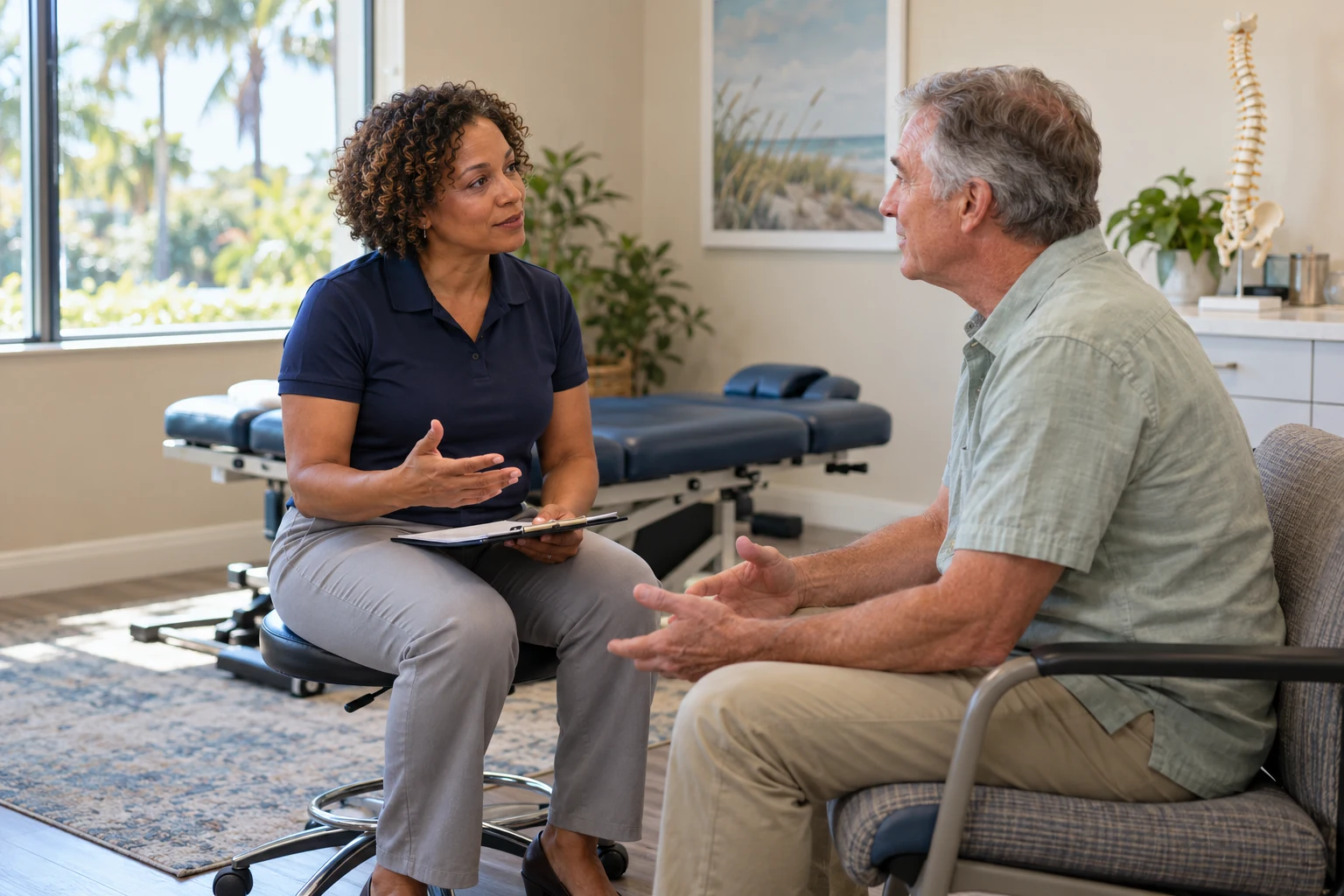
| To choose the best chiropractor in Dunedin, FL, look for a licensed Doctor of Chiropractic with strong training, a thorough first exam, personalized care plans, modern tools like laser therapy, honest pricing and consistent patient reviews. Hayes Family Chiropractic, led by Dr. Diane and Dr. Chris Hayes, offers chiropractic care, Class 4 MLS laser therapy and acupuncture for patients of all ages in Dunedin and nearby Pinellas County. |
Why Choosing the Right Chiropractor Matters
A chiropractor does far more than “crack backs.” The right Doctor of Chiropractic finds the root cause of your pain, explains it clearly and builds a plan that gets you moving again without relying on pain pills or surgery. The wrong fit can mean generic treatment, unclear costs and slow progress. Whether you are dealing with low back pain, headaches, a sports injury or recovery after a car accident, taking a few minutes to compare your options pays off.
10 Things to Look for in a Chiropractor Near You
- Licensing and education: your chiropractor should hold an active Florida license and a Doctor of Chiropractic degree from an accredited college, such as Palmer College of Chiropractic.
- A thorough first visit: expect a health history, posture and movement assessment, orthopedic and neurological tests and, when needed, X-rays.
- A clear diagnosis and plan: you should understand what is causing your pain, how many visits to expect and how progress will be measured.
- A range of techniques: good offices offer more than one tool, such as adjustments, manual decompression, soft tissue work, corrective exercise and laser therapy.
- Care for every age: a family chiropractor who sees kids, expecting moms, adults and seniors understands how the spine changes over a lifetime.
- Advanced pain relief options: technologies like Class 2 cold laser and Class 4 MLS laser therapy can speed recovery without drugs.
- Experience with injuries: look for a team that handles auto injuries, work injuries and sports injuries.
- Honest pricing: a quality office explains insurance, cash-pay options and packages before treatment begins.
- Real patient reviews: read patient testimonials and Google reviews for consistent comments about results and communication.
- A personal touch: small offices where you speak directly with the team, not a call center, often provide more attentive care.
Questions to Ask Before Your First Visit
- What conditions do you treat most often?
- What happens during the first appointment?
- Do you take X-rays, and when are they needed?
- What techniques do you use besides manual adjustments?
- How many visits will I likely need?
- Do you accept my insurance, and what does a visit cost?
- Will you give me exercises to do at home?
Chiropractor vs Physical Therapist: Which Do You Need?
Both can help with pain and movement problems, and they often work well together. A Doctor of Chiropractic focuses on the spine, joints and nervous system, using adjustments, soft tissue work and tools like laser therapy and manual decompression. A physical therapist focuses on rehabilitation through guided exercise and functional training. If your pain involves stiff joints, the spine, headaches or nerve symptoms like sciatica, starting with a chiropractor is often the fastest path to relief, with exercise built into your plan.
How Often Should You See a Chiropractor?
Frequency depends on your goals. During an active injury, visits may be two or three times a week at first, tapering as you improve. For ongoing wellness, many patients visit once or twice a month to keep their spine moving well, especially if they sit for long hours, play sports or do physical work.
Red Flags to Watch For
Be cautious of offices that push long, prepaid care plans on day one without an exam, promise to cure unrelated diseases, skip explaining your diagnosis or pressure you to keep coming without measurable progress. Good chiropractic care is collaborative, transparent and goal-driven.
What Makes Hayes Family Chiropractic Different?
Dr. Diane Hayes, DC, FIAMA, graduated magna cum laude from Palmer College of Chiropractic and is a Fellow of the International Academy of Medical Acupuncture and an acupuncturist. Dr. Christopher Hayes, DC, also a Palmer graduate, has decades of experience treating patients from birth to over 100, including headache and neurological cases. Together, they co-owned two multi-disciplinary clinics in Northwest Indiana for more than twenty years, where 99 percent of new patients came from referrals, before bringing that same family-focused care to Dunedin. Our office combines chiropractic adjustments, manual decompression, posture correction, laser therapy, acupuncture, cupping and nutrition coaching under one roof.
Your Chiropractor Near Dunedin, Clearwater and Palm Harbor
Hayes Family Chiropractic is located at 516 Patricia Ave., Dunedin, FL 34698, and serves Clearwater, Palm Harbor, Safety Harbor, Tarpon Springs and Oldsmar. Office hours are Monday, Wednesday and Friday from 7 a.m. to 12 p.m., and Tuesday and Thursday from 12 p.m. to 5 p.m. Learn what to expect on your first visit, then call (727) 736-1000 or complete the new patient form.