Posts by Dr. Hayes
Knowing your Spine is the Best Way to Keep it Healthy
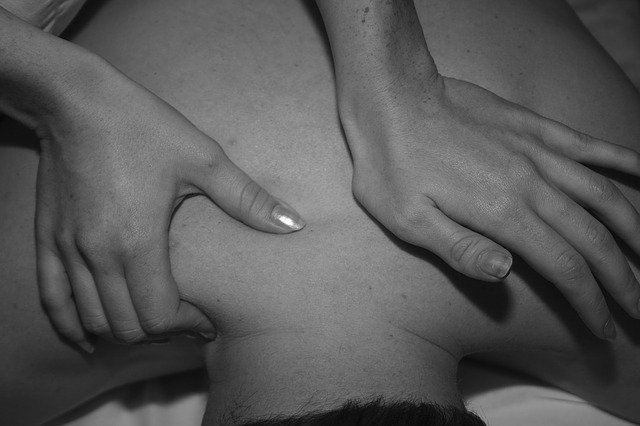
The smallest functional unit of the spine
Your spine is made up of thirty-three vertebrae, and between each is a spinal motion segment which is made up of the following main components:
- The two vertebrae
- Intervertebral disc
- Two facet joints
- Ligaments and other soft tissues for support
The first three are known as the articulation triad and overall, their purpose is to allow for slight, stable mobility of the spine while preventing damage from excessive motion. The discs perform shock-absorption duties, absorbing compressive forces and preventing the vertebrae from directly grinding on each other. The facet joints connect the vertebrae together and allow for some, but not-too-much motion. The ligaments serve to hold the vertebrae in place and all the spinal motion segments combine to keep you upright and mobile.
Blood is Fuel: Boosting Circulation with Chiropractic

Circulation is power for body and mind
Blood is fuel: it contains oxygen and nutrients that help cells repair and regrow, and allows vital organs including the brain to use those inputs to function better. The most classic way to boost circulation is by exercising: whether you are lifting weights or moving aerobically, the natural response of your body is to increase blood flow. But too often, we don’t get the daily exercise we need, or other factors conspire to inhibit our circulation. Because good circulation is a cornerstone of good health, we want to be aware of those factors that contribute to poor circulation.
Spinal Elongation is Therapeutic
Spinal elongation provides for decompression
And for the myriad people suffering back pain due to compressive forces, they know that you can’t put a price on how good decompression feels. Every single day, our spines undergo a variety of movements, some of which cause compression to the vertebrae. Spinal configurations such as forward head posture, hyperlordosis and scoliosis wreak havoc with the spine and leave it even more vulnerable to those same compressive forces. Left alone for long enough, the poor spinal curvature becomes even more pronounced, spinal discs narrow and discs degenerate. How do we stop this compressive force train from rolling? Spinal elongation is a start.
Car Accidents and Soft Tissues
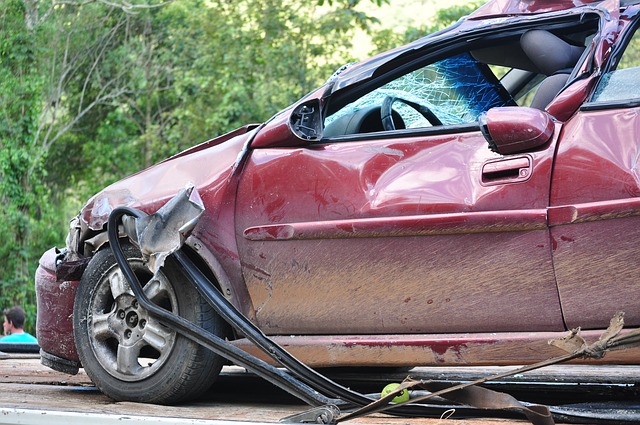
Soft tissue injuries are among the most common types of injuries sustained after automobile accidents
As Americans, we are a commuting culture. Driving is, for many people, an indelible part of their lifestyle; as a result, we constantly put ourselves at the risk of our own and other’s split second decisions. It is estimated that as many as three million people a year are injured in automobile-related incidents. It is important to remember that even the slightest of fender benders can cause injury; among the most common injuries in this type of accident are soft tissue injuries.
Preventative Chiropractic: A Balanced Body

Chiropractic is about prevention
Chiropractic care is just as effective at preventing injuries as it is treating them. Unfortunately, many people think of chiropractic only after the fact. At Hayes Family Chiropractic, we would like to change the script: regular chiropractic care provides the maintenance your body needs to thrive just like with any machine. Because so much communication occurs through the spinal column, proper alignment of the spine is a significant factor when it comes to overall wellness.
Sleep: Made Easier Without Subluxation

The Dalai Lama says that sleep is the best meditation
We would like to further point out that sleep is also one of the best medications. It allows for the rest and repair of every cell in the body, for the recharging of essential systems and for the preparation for body and mind to face another day. Sleep is no joke; while you (hopefully) rest in comfort, your body is hard at work. So it is perhaps a cruel twist of fate that something so important can, for some people, be so hard to come by. As an office of chiropractic, we focus on improving quality and quantity of sleep by treating pain.
Subluxation: a Real Pain in the Neck

Subluxation means dysfunction
Subluxation can result from the jostling of every day movements, direct trauma or seemingly innocuous actions such as sitting with poor posture. Once subluxated, the joint is liable to cause a lot of trouble: from interruption of nerve signalling to contributing to poor circulation, pain and more. Subluxation in the cervical vertebrae are particularly troubling because the nerve pain can be referred to the head, leaving you with a rather misleading headache.
Why Choose Chiropractic in the Wake of Auto Accidents
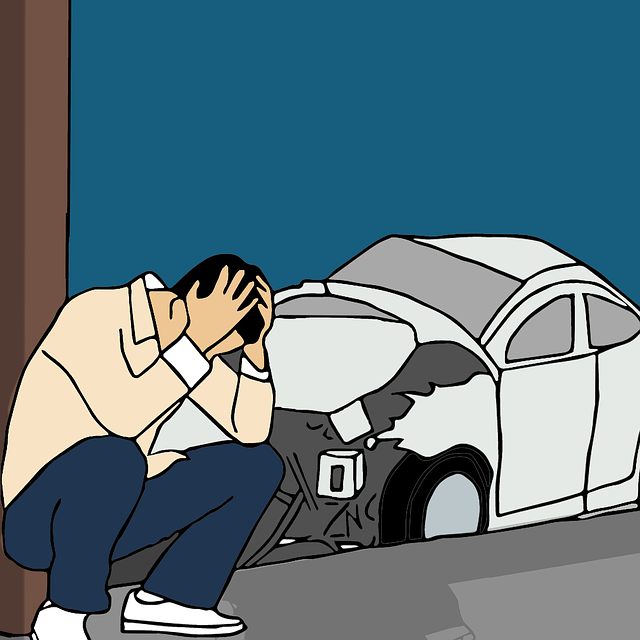
Even minor accidents have lasting consequences
In the aftermath of a car accident it can be easy to get caught up in the whirlwind of paper work, police reports, legal conversations and other parts of the fall out. But there is one thing more important than everything else: your health! In the wake of an auto-accident, we urge you to prioritize the physical well-being of you and yours.
Chiropractic’s role after an accident
At our office in Dunedin, we offer the following benefits for people involved in auto accidents.
- A full physical examination to determine the extent of the trauma on your body
- Reducing pain and inflammation: many auto injuries involve micro tears to the soft tissue throughout the body and inflammation can cause a lot of pain in the days after. Chiropractic helps to minimize inflammation and jump start the healing process.
- Minimizing the growth of scar tissue: scar tissue can adhere to normal tissue and create epicenters of tightness and pain; it can even trap nerves underneath this new layer of dense, thick tissue. Keeping scar tissue at a minimum is a key way of restoring range of motion
- Restoring range of motion
It is important to remember that the sooner you detect a problem, whether it be whiplash, subluxation, damage to tissues in the back or something more serious, the sooner you can start healing. Certain injuries and related symptoms may not surface for up to weeks after the initial accident.
Chiropractic cares for people involved in auto accidents in Dunedin
As specialists in the biomechanical form of the human body, we believe strongly that anyone who has been involved in a car accident should be evaluated by a chiropractor.
Whiplash! Protecting your Neck in the Wake of Trauma
Whiplash is the catchier name for neck strain
Whiplash, or neck strain, refers to damage to the muscles and tendons in the neck, or the soft tissue that connects muscle to bone. Whereas neck sprain refers to tearing of the ligaments which connect bone to bone. The causes of both are very similar: acute injury due to forceful impact, such as that which is sustained during a car accident or a particularly heavy football tackle.
A description of the motion that gives whiplash its name
What is Chronic Muscle Tension Doing to You?

What is causing your muscle tension in the first place?
Muscles tense in reaction to stress, both physical and mental. Furthermore the central nervous system reacts to stress by altering the function of blood vessels and reducing blood flow to both muscles and nerves in the back. With reduced blood flow, the cells are receiving less than sufficient oxygen they need for respiration and waste products are allowed to accumulate; this in itself can lead to muscle spasm and back pain. When this natural reaction to stress leaves your muscles in a semi-contracted state for too long, soreness and stiffness ensue.