Health and Wellness Blog
Dynamic Stretching
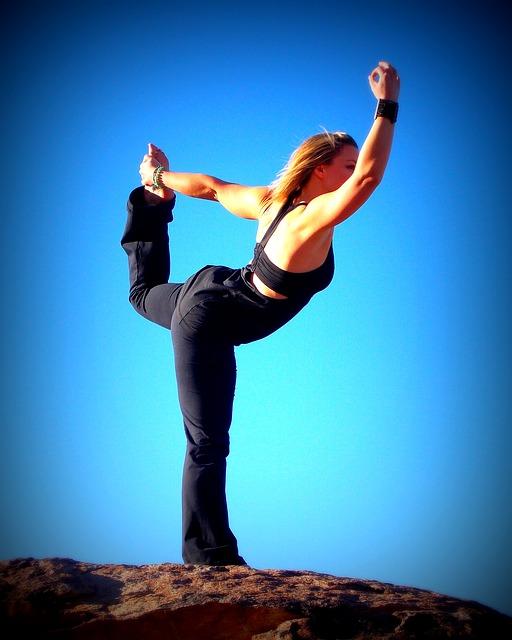
Warming up the right way.
At Hayes Family Chiropractic, we believe that exercise should be a fluid activity and this begins with the warm up. Rather than jolting your muscles into action with a quick warm up or no warm up at all, we want to focus on easing them into the swing of motion gently. Think of your muscles as being contracted when you initiate a work out: in order to loosen them up, we need to add heat. The best way to do this is by slowly raising your body temperature so that muscles naturally warm and loosen. This gives you optimal range of motion and prevents the kind of injury that occurs when you apply stress to an overly tight muscle.
Dynamic stretching is the right way to warm up.
Dynamic stretching is the kind that combines momentum from movement with static-active stretching in order to transition your muscles from cold and contracted to warm and ready. Whether you are going to lift weights, play sports or pursue light cardiovascular exercise, this is the warm up that will activate all the muscles you will need during your work out.
- Improves range of motion
- Improves coordination and overall performance
- Boosts power
- Helps muscles to contract and relax easier
Often, dynamic stretches include a standard stretch with a movement adjoined to it: for example, the lunge with a twist, or hip stretch with a twist. These are easily learned movements that ensure your body is primed and ready for the work out ahead.
Hayes Family Chiropractic is your resource for improving athletic performance.
We support all of your athletic endeavors, and begin by addressing any physical limitations that may be holding you back. By ensuring the proper alignment of your spine, treating tense muscles and improving range of motion, we help your body stay in top physical shape. Give our office in Dunedin a call to schedule an appointment today.
Dr. Chris Hayes, D.C.
The Role of Posture in Headaches

Headaches are often a reflection of our lifestyle.
Work weeks can often fall into a pattern that varies to the individual but generally sees us waking up, commuting to work where we sit for hours on end, returning home for recreation in the evening, sleeping and repeating. Within this framework, physical and mental stress is constantly cycling and it requires hourly dedication to keep it in check. The demands of the workplace challenge our discipline when it comes to wellness-awareness: things like checking our posture, or getting outside for a breath of fresh air are neglected. This sets a dangerous precedent, whereby allowing stress to accumulate in the day can carry over into your non-work life to affect sleep, exercise and overall happiness. Headaches are a great example of this: if we leave work with a slight tension headache, it is easy to write them off as “normal” or “regular;” just a part of being an adult and going about our daily business. This is simply not true- the headache is a signal that something, somewhere is wrong and it is asking for you to fix it.
Posture can play a direct role in the presence of headaches.
Even 2 hours in front of a computer screen is a fretful prospect for the spine, so 6-8 hours is simply monstrous. As the minutes slip by, we find it easier to slip into poor posture- our chins start inching toward the screen and the head follows; the upper back rounds and the shoulders start to creep up toward the ears. Any sense of balance has now been distorted as the head’s weight is now magnified in relation to the rest of the spine causing the neck and shoulder muscles to compensate to provide stability. This creates muscle spasms in the upper back, shoulders and neck that are referred to the nerves in your head and which you experience as a headache!
What to do about it?
Fixing your posture could go a long way toward solving the presence of chronic headaches. From our end, we can provide you with chiropractic adjustments which ensure that the spine is in a state of alignment and balance; provide trigger point relief for knotted and tense upper backs and offer massage therapies that relieve stress and encourage the healing process. From here it is a matter of training the right muscles that make posture easier- the core for a start and the upper back muscles that help stabilize the shoulders and neck.
Dr. Chris Hayes, D.C.
Posture in the Driver’s Seat

What does your back look like when you are driving?
Most of us probably couldn’t even see a mental picture. For many people commuting is a fleeting, sub-conscious activity and, by treating it as such, we rarely give our backs the attention to detail that they deserve during the drive. To begin with, car seats are hardly conducive to healthy posture and we often end up hunched over or forward; slouched with our arm on the center console; shoulders tight, creeping toward the ears. Even minor commutes with poor posture put unnecessary pressure on the spine, joints and muscles in the back.
How am I supposed to look?
- Sitting up straight with butt touching the back of the seat
- Chin level and head centered over the spine; often this means the head is touching the head rest gently.
- Hips square, keeping the base of the spine and pelvis aligned
- Hands at 9/3.
If you must sit for a daily commute, this is the kind of posture that distributes forces evenly and prevents muscular imbalance from accumulating over the course of the trip. A longer road trip obviously calls for some variety in position so listen to your muscles; if they become stiff or sore, you know that they are becoming wary of whatever posture you have been locked in for the last hour. It is always prudent to pull over and give your shoulders a shake or do some simple stretching so that you can stay loose during the trip.
Posture is a specialty here at Hayes Family Chiropractic- we want to help you find good form with every activity that you do regularly.
Dr. Chris Hayes, D.C.
Why We Strive for Good Posture

Our problems with posture
Posture is hardly provocative; mentioning the word may be enough to make people sit up straight as they read it, but the attention span soon wanes and our heads instinctively lean toward the screen, like a fly to light, setting the tone for the rest of the body to follow up with poor posture. Below, I have identified the three most pressing problems that are likely to result from sitting excessively with poor posture.
- A compromised core
- shortened hip flexors
- Anterior pelvic tilt
- Internally rotated shoulders
These problems perpetuate each other; before we can address the question of shoulder stability, we should have some semblance of core stability, and this begins with stronger muscles!
Correcting posture right now?
If you just wanted to taste good posture for a moment so you can know what to strive for, try the following exercise:
- Stand and flex the glutes
- Flex the abs lightly and relax the glutes
- Stand up tall and pull your shoulders back
- Let your arms hang; in this position, the upper back should assume the responsibility for stabilizing the shoulders.
For many of us, this will feel like a whole body stretch, but this is the standard to which we should strive. And it can be easily transposed onto a seated position.
Making good posture second nature
We want to establish excellent posture as your baseline, especially if you are among the legions of workers who earn their daily bread by working at a desk. Having better posture life is about attitude: once we’ve brought it into the realm of consciousness, can we be proactive enough to maintain the muscles and positioning that makes us healthier? Keep in mind that posture is the basis of movement- you can effectively improve your life across the board with the knowledge and application of good posture; if you are interested in finding out more, give our office in Dunedin a call to schedule an appointment today.
Dr. Diane Hayes, D.C.
Tight Shoulders
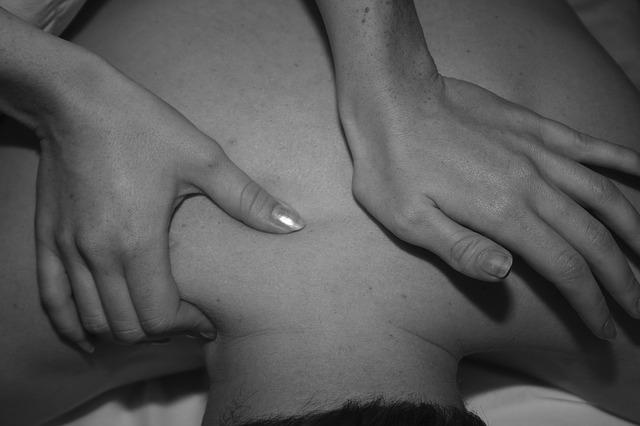
Are you part of the growing population with a tight set of shoulders and if so what are you doing about it?
Chances are your trapezius is misfiring- that is, the upper trapezius is overactive while the middle and lower parts are under-active. This kind of disparity within the same muscle is problematic because it creates an imbalance that makes good posture hard to hold and increases the likelihood of pain and stiffness.
The problem is cyclical in nature.
When you spend a day hunched over your computer with your head forward, the upper trapezius, which connects from the back of the head to the collar bone, is constantly contracted, pulling the shoulders up and inward to give you that hunched look that is so fashionable in the office. Your body is a creature of habit and as your muscles learn that this is the position you want your shoulders in, they oblige you; the middle and lower parts of the muscle are unable to assist with shoulder stabilization and articulation and they begin to weaken from lack of use. This shifts more burden onto the upper traps and you are left with stiff and sore shoulders.
The problem is also muscular and mechanical in nature.
As we see it, with enough attention to the issue, you can remove your shoulders and upper back from the pattern of tightness that defines their daily existence. At our office in Dunedin, we provide you with chiropractic adjustment to maintain the alignment of the spine, thereby removing nerve irritation and improving range of motion. Trigger point therapy is effective for getting into knotted muscles and releasing the tension, allowing you to focus on strengthening and stretching without pain. Stop ignoring the pain and stiffness- it is your body telling you something needs to be fixed. And we are here to help; give our office a call to schedule an appointment today.
Dr. Diane Hayes, D.C.
The Importance of Hip Mobility

Joint mobility can be a determining factor in overall health. While strength, speed and stamina are all important attributes, they may amount to nothing with compromised range of motions in crucial joints. The hip is a great example of this: sitting too much without proper attention to posture is a great way to weaken your glutes and shorten the hip flexors. Range of motion still needs to be accounted for and the lower back often picks up the burden. The lower back is a region meant for stability and thus, when it is called upon to initiate motions such as lifting, you have an injury waiting to happen.
Restoring range of motion to your hips is a matter of regaining what was lost: as children, we move innately and lift the proper way, using our hips and whole body as opposed to the lower back. Everyone has heard the maxim, “Lift with your legs,” and this could be taken to mean, “Use your hips!” A proper lift involves sitting or squatting with the hips to lower to the object and then using a thrust forward to lift it. Retraining your hips will help to activate the posterior chain of muscles that includes the glutes, the trapezius and posterior deltoids, so that you use these muscles to generate power and rotate as opposed to the lower back and knees.
Part of how we help at Hayes Family Chiropractic is through education; teaching the mechanics of the human body and how we can use them in harmony is an essential part of wellness that we would like to pass on to you. We can also provide you with the soft tissue work necessary for releasing muscles that have gotten used to chronic tension and show you exercises and stretches that will keep this region mobile and effective. It is time to stop rotating with the lower back and inducing needless physical stress with hips that aren’t passing muster; relearning how to use your hips in relation to the rest of your body can take you a long way toward healing and feeling less pain.
Dr. Chris Hayes, D.C.
Supporting an Anti-Slouch Lifestyle
“We are humans and thus we are lazy.” A philosophical statement that subscribes to the logic that humankind generally follows the path of least resistance. Whether or not laziness is inherent in human nature is a can of worms that we need not delve into further, but we will say that at Hayes Family Chiropractic, we have compelling evidence that, when it comes to posture, we are inclined to laziness.
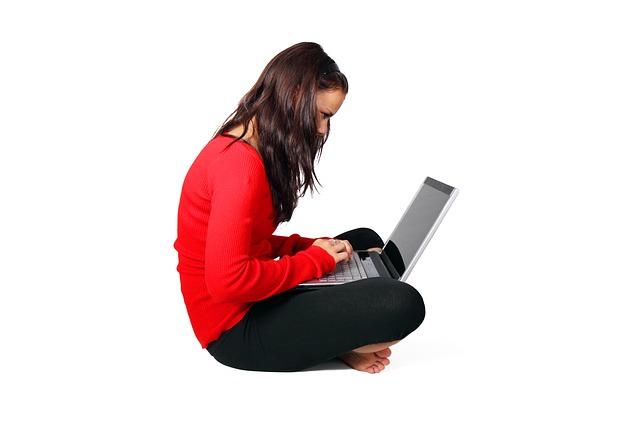
As we move deeper into the information age, the age of the computer, we are slouching en masse: something about screens seems to draw our heads forward like a magnet which, incidentally, magnifies the weight of the head’s burden to the spine. When we practice this sort of shoulders scrunched, back slumped and head forward posture, we are contributing to a pension of back pain that will be waiting for us in old age. What’s worse, while average lifespan is increasing, age of onset for back problems is moving forward, which means we are going to be living longer, more painful lives? Wait a minute, that’s not what we want.
So how did we get here? In essence, it’s because slouching feels so right, even though it is so wrong. It’s just the natural position your body goes for because we are not striving actively to sit up straight. Even if you start with perfect posture, each minute passed is going to increase your likelihood of slouching.
Proper sitting posture (with a computer) looks like this:
- Computer screen at eye level
- Shoulders back and relaxed, not forward and scrunched
- Ears aligned with shoulders, head centered over spine.
- Sitting up straight with butt against the back of the chair
- Knees level with hips or slightly higher
- Feet flat on the floor.
Slouching is not cool and it’s about time we shifted this paradigm for good. While finding good posture may take hard work, it may be the best investment you can make for your lifetime well-being, especially if you are going to be working in front of a computer for the foreseeable future. We are here to help: helping to adjust your spine and get rid of nerve irritation, helping you strengthen and stretch the muscles that are necessary to hold good posture and teaching you what that good posture looks like in every phase of the day.
Dr. Chris Hayes, D.C.
Breathless

It’s time to slow down, for the sake of our cells! Americans are operating with lower lung capacities than ever before thanks to (mostly) human invented factors, among them pollution, lack of exercise, sitting for work and recreation, sitting with poor posture, and poor diet. While malefactors are on the rise, awareness of proper breathing technique is probably lower than ever- for an action that many humans perform up to 20,000 times a day, you would think that we should take it seriously. But breathing is subconscious in nature, and therefore, prone to another pitfall of human nature: our inclination toward laziness.
We are born breathing freely, but as time and age move ever onward, we seem to “unlearn” the process, forget about it, or cease to care. This means that you are capturing less oxygen and potentially expelling less CO2 than is necessary to keep your cells refreshed and your body energized. Some studies show that deskbound workers can go weeks without drawing a full breath or even using their diaphragm, the main breathing muscle, to breathe. In essence, you are using accessory muscles to draw in the bare minimum of breath required to survive, but not to thrive. Furthermore, the less we use our diaphragm, as with any muscle, the less effective it becomes.
So let’s try diaphragmatic breathing. Take a deep breath. Did your belly expand? If so, good! This means you are filling your lungs with air by contracting the diaphragm, filling the lungs from bottom to top and nourishing your cells with all the oxygen they need. Exhaling is also important: not expelling all the CO2 with each breath is what causes breathlessness. Keep breathing deeply, and exhaling fully and we think you will notice an uptick in mood and productivity. Breathing your way to better health is not as far-fetched as it may feel. It may begin with ensuring that there are no physical obstructions within your body that are preventing you from breathing effectively. From here, it is about slowing down and learning the proper technique and, in all these respects, we can help.
Dr. Chris Hayes, D.C.
The Core

The core is not one ambiguous muscle that is located in the center of your body, and it is certainly not just the abdomen, as certain fitness misinformation would suggest. Rather, the core is a complex network of muscles that work together to influence almost every waking movement we make as humans. The muscles of the stomach and back, from the sternum down to the pubic bone, make up the core and serve the following main functions: to protect and contain internal organs, enhance mobility of the spine and trunk, stabilize the body by transferring forces across the body without causing injuring and to coordinate the pelvic-lumbar region. Core stability is important because it generally also means spinal stability: we define a stable core as one that supports the spine and keeps the body balanced.
Compromised or weakened core musculature is consistent with a lifestyle that involves too much sitting and not enough exercise and this is a health concern because a weak core leaves you vulnerable to injury from daily motions (think gardening, tying your shoe, simply bending over or lifting). Your muscles simply don’t have the strength to transfer forces effectively between the upper and lower body, or from side to side, and injuries are likely in this scenario.
At Hayes Family Chiropractic, we want to help you establish your core as a stabilizer by focusing on strengthening and stretching that targets specific muscles, including the transverse abdominus and the Multifidus muscles, two muscle groups whose health often coincide with core strength. Stretches such as planks, side planks and dead lifts are excellent for strengthening core muscles to provide support for the rest of the body. If you are suffering from chronic back pain of any degree, it may be time to start looking for the underlying cause. We can help you develop a stronger, more stable core that will keep pain at bay and boost your well-being and all it takes is a phone call to schedule an appointment at our Dunedin office today!
Dr. Diane Hayes, D.C.
Are your Hamstrings in Need of Help?

A tertiary victim of a sit-heavy lifestyle is the hamstring. When we sit for hours on end, the hamstrings are in a constant state of contraction, causing them to shorten, which creates a pull on the pelvis that can cause misalignment in the lower spine. This leads us to problem 1: do you know what proper seated posture looks like? If you are like many Americans, you may be sitting with a posterior-tilted pelvis for hours at a time, exposing your vertebrae in the sacrum and lumbar region to myriad compression and misalignment problems. Learning how to sit, if you must sit all day, is an essential measure that we would like to see desk-bound workers take seriously. As it relates to the hamstrings, you may be feeling general low back pain while the problem is originating in the leg, but how could you know? A quick self-diagnosis can be done at home with either a straight-leg raise or reaching for your toes:
- Sit on the floor with one leg and foot extended, and one in the butterfly position.
- Reach toward your foot and try to touch your toes.
If you can’t touch your toes then chances are your hamstrings are tight. The degree to which this affects your life is variable: for some people it creates no problem at all but for others it can affect their posture, movement and musculoskeletal function. At Hayes Family Chiropractic, we work with you to determine if tight hamstrings may be causing dysfunction or pain and then help you solve it with spinal adjustment that accounts for any misalignment, and targeted stretching that will help release the region from tension. If you are in the Dunedin area, we urge you not to let your hamstrings hold you back from athletic endeavor or simply enjoying life any longer; call our office to schedule an appointment so we can start working on lengthening and strengthening those tight (or short) hamstrings.
Dr. Diane Hayes, D.C.