Posts by Dr. Hayes
Chiropractic Offers First-Resort Pain Relief
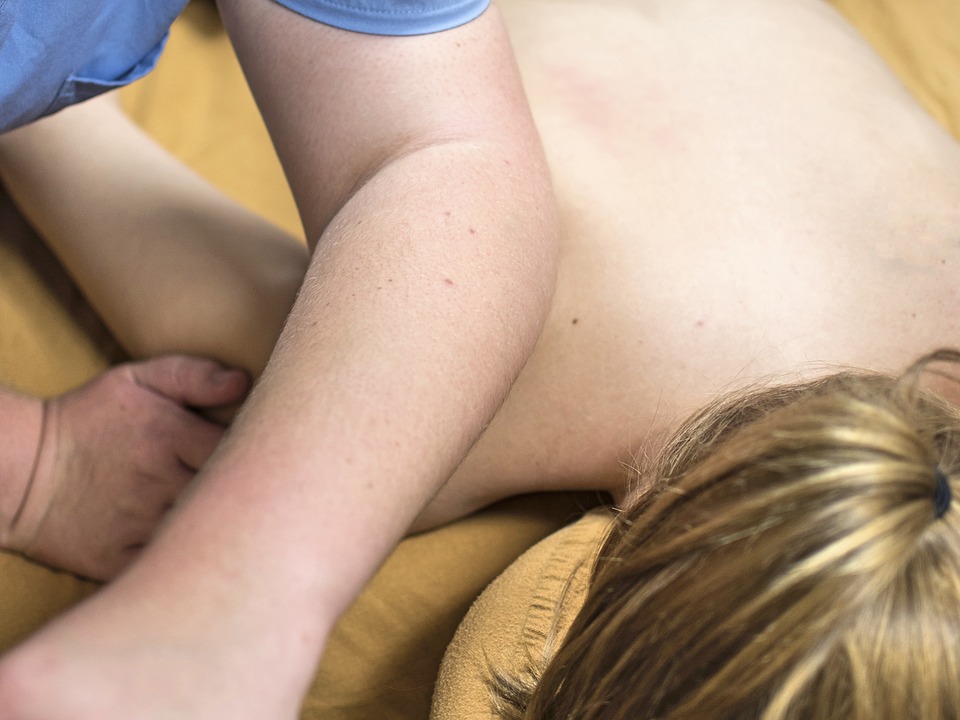
Why choose chiropractic first
Because it makes a difference in the recurrence of back pain. Few people can afford to let back pain enter into their lives and do nothing about it. While the majority of back pain does heal itself (mostly) given time and attention to rehabilitation, acute back pain can be so severe as to distract you mentally and detract from your physical performance. In the short term, we reach for pain medicine to mask the symptoms, allowing us to go about our day as though the pain isn’t there. In many cases, we then perform activities that make the pain worse and the condition deepens. At Hayes Family Chiropractic, we subscribe to a different methodology that responds and treats even first time back pain as more than just a surface symptom.
Drinking Water Will Save your Life

Drinking water is the simplest way to improve your health
Are you one of the 75% of Americans who walk around chronically dehydrated? Chronic dehydration is dangerous because your body may become used to functioning with insufficient H2O- that is, you may not be picking up on the classic signs of dehydration. Here’s what to look out for:
- Dry, sticky mouth
- Fatigue or mood swings
- Dry eyes and blurred vision
- Headaches
- No need to pee and dark urine
Perhaps you can’t remember your last drink of water, and if this is the case your body is certainly suffering. So stop delaying, and grab a cup of water today!
An Action Plan for Avoiding the Post-Christmas Blues

After the rush of the holidays, heading back to normal life can feel rather mundane
The gifts have been given and all the delicious food consumed; in the background, the christmas music persists, but it rings slightly hollow. All the build up is now over and the tree will soon be out the door- as the decorations come down we need to be wary about our moods dropping too. We identify this vaguely empty feeling as the post-Christmas blues; but it is no time to despair. Instead turn your attention to the new year and start getting excited for 2018 by designing some personal health initiatives.
Stress and the Spine: A Roadmap to Subluxation

Stress and pain feed off of eachother
The vicious cycle can start with either input: chronic pain causes mental anguish and stress that then causes muscle tension; chronic stress causes prolonged muscle tension which can pull your spine out of alignment and pressurize spinal nerves. The end result is more stress and more pain; the cycle perpetuates itself. At Hayes Family Chiropractic, we focus on using spinal alignment as a primary means of regulating the nervous system, reducing pain and alleviating stress.
This Holiday Season, Believe in the Magic of the Spinal Adjustment

A Christmas card from your Dunedin chiropractor
Once the glitter of your New Year’s celebration has settled, how is your back going to feel? This is a question that many of us ignore as we are mired in holiday engagements and pursuing unhealthy holiday habits. Each New Year, we inevitably see many a patient who’s back has taken a beating during the intense holiday schedule. From our perspective, that’s no way to start a new year!
A Holiday Full of Endorphins: Nature’s Painkiller

This holiday season, focus on feeling less pain
The holiday season is a time of renewal that allows us to take a deep breath and a break from our standard busy lives. If you suffer with chronic back pain, it behooves you to take this time to focus on healing. While the holiday season is rife with challenges for back pain sufferers, as discussed in our previous blog post here, there is also plenty of time for restoration. Below you will find a few tips for releasing endorphins, your innate painkillers; these hormones are made in your body to help you experience less pain. Think of them as your holiday helpers- elves working in your body’s factory to prevent pain.
A Christmas Nightmare: Traveling with Back Pain

Christmas offers a unique challenge for people suffering with back pain
Nothing says Christmas like family. But for many of us in America, seeing our family requires traveling great distances. Whether by car, train or plane, there is no best option for people with back pain. The thought of hours spent in unsupportive seats is a true Christmas nightmare. If you are among the millions of Americans suffering with spinal problems this holiday season, be proactive about preventing many of the risk factors that contribute to your back pain.
The Perfect Gift this Holiday Season: Spinal Health Awareness

Back pain has for too long been stygmatized as a condition of elderly people
Even today, with the internet and all of its information at our fingertips, there seems to be a dearth of awareness regarding simple health issues. Perhaps this void is gettting larger because of the preponderance of misinformation being fed into it. For young people, this capacity to access information seems almost built in. Yet the amount of distractions it provides often overwhelm its positive attributes.
Take back pain for example; yes your back is naturally resilient to injury and pain at a young age; no it will not stay that way forever. Depending on your job, and level of activity, it could reach a point of degradation sooner rather than later. Even if you don’t believe that the spine is a pinnacle of wellness, anyone can agree that back pain is not doing you any favors.
Helping the Athletes of our Community Overcome Sciatica
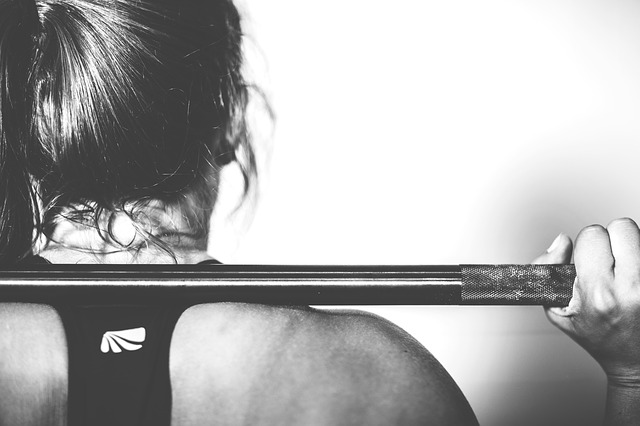
Weight lifting is one of the biggest risk factors for sciatica
All shades of athlete benefit from weight lifting as part of a regular muscle building routine. Unfortunately, weight lifting poses a threat to the lower back; the mere act of lifting is one of the most dangerous actions you can perform when it comes to the health of your spine. A further complication of lifting is the added risk for poor posture and/or biomechanics while lifting.
The more weight you lift, the higher the risk of a vertebrae moving out of position and compressing a nerve. When this vertebral compression affects the sciatic nerve, the pain can spread throughout your legs and even appear in places seemingly unrelated to the injury. The nature of sciatic nerve pain is distinct and tells us to look for dysfunction affecting the sciatic nerve. There are many conditions and injuries that can contribute to sciatica, including:
- Herniated discs
- Piriformis syndrome
- Subluxation
- Vertebral stress fractures
When Sciatica Strikes, Choose Chiropractic

Sciatica in Dunedin
Sciatica is a condition of aging. While rates remain low among the youth population, sciatica becomes prominent in young adults and very common for seniors over 60 years. The problem is most often caused by nerve compression; the sciatic nerve, being the longest and largest spinal nerve in the human body, is prone to the effects of wear and tear that affects your spine as you age.
Characteristics of sciatic nerve pain
- Intensity from mild to severe and frequency from intermittent to constant
- Feelings of burning, numbing, tingling
- Pain can be dull or sharp and is often accompanied by a feeling of pins and needles
Chiropractic is tailor made for sciatica
There are many causes for sciatica but the most common one is nerve impingement. One of the most commonly identifiable causes of sciatica is subluxation in the lower vertebrae- misaligned vertebral bodies that put pressure on nearby spinal nerves. This means that a proper diagnosis of your sciatic nerve pain is the most important way of guaranteeing success in overcoming it. At Hayes Family Chiropractic, we are dedicated to giving you a thorough examination that determines exactly what is causing your sciatica. From here, we set a proactive course of treatment that aims to restore spinal alignment to relieve pressure on your sciatic nerve.
Overcoming sciatica in Dunedin
We want to help you leave sciatica behind for good. Enacting a regime of stretching and strengthening ensures that the core muscles maintain the alignment of your spine and body’s balance moving forward. If you are interested in treating your sciatic nerve pain the right way, give our office in Dunedin a call to schedule an appointment today.