Posts by Dr. Hayes
Morning Time is for Losing Weight

Wake up, smell the coffee and…drop a few pounds?
Morning is the most potent part of your day; in our opinion, not enough people realize that losing weight can begin the second you step out of bed. At Hayes Family Chiropractic, we want you to realize that you can take advantage of this potential to keep the pounds down. But it can go both ways- make sure the weight scale turns in your favor by making good morning time decisions.
Sneaky ways to lose weight in the morning time
- Change out carbs and go for a high-protein mix for breakfast: try to consume 2/3 of your daily protein goal at breakfast- it will help you feel less hungry and consume fewer calories throughout the day.
- Calculate your commute: if you have to drive to work, park far away and get in a few more steps. If you can, try biking or walking or taking public transport to work.
- Take your breakfast in the sun- morning sunlight helps to regulate your sleep cycle which is crucial for maintaining a healthy weight.
Begin your weight loss routine the second you wake up!
Why? Because every pound counts when it comes to the health of your spine and thus your well-being. At our office in Dunedin, we can help you find ways to cut calories, cut pounds and feel better during every phase of the day. Give our office a call to schedule an appointment today.
Dr. Chris Hayes, D.C.
The Most Neglected Muscles in the Body: Part 2

Spinal stability and spinal balance
These are two of the most important factors in your health moving forward in life. Yes, mirror muscles, make you look great and looking good is integral to feeling well; we aren’t saying you should stop developing your pecs or biceps, but that it may behoove you to devote equal time to developing the muscles which matter for maintaining spinal stability and balance. This will make holding good posture easier (which also makes you look more attractive), and go a long way toward preventing many of the factors which lead to degeneration of the spinal discs and other conditions that cause back pain.
Muscles of the lower back
The muscles which don’t come in for enough attention in the gym include those that provide for spinal stability and balance. Let’s start with the ones actually located in the lower back- the flexors, extensors and obliques.
- Flexors attach to the front of the spine and allow for bending and arching of the lower back.
- Extensors attach to the back of the spine and allow for motions like lifting while also providing support at the base of the spine.
- Obliques attach to the sides of the spine and allow for rotation of the upper body while also supporting good posture.
Start strengthening the muscles of the lower back now to prevent the onset of problems later
This seems like pretty conventional wisdom, but it is always worth repeating. At Hayes Family Chiropractic, we want to help you maintain the strength of the stabilizing muscles around the spine; by doing this, we prevent pain and the necessity for major surgery. Give our office in Dunedin a call to schedule an appointment today.
The Most Neglected Muscles in the Body: Part 1

Making a case for strengthening of the rhomboid
We have a question: what is the point of bulking your body if the most crucial parts can’t bear the load of the new muscle? A case in point is that of the rhomboids: located in the upper back, these are the muscles that connect the shoulder to your spine. Innervated by the dorsal scapular nerve, these muscles play a role in shoulder mechanics, chiefly the retraction of the scapula.
What are the consequences of a weak rhomboid?
A weak set of rhomboids leaves you open to a number of health pitfalls. Most people focus on developing the muscles all around them- the biceps and triceps, delts, lats and traps which make you look good. But by not simultaneously cultivating the strength of the rhomboid, you create a deficit in the balance of the upper back. This has two main consequences: probability of poor posture and likelihood for injury, especially in the weight room. Weak rhomboids mean that you are less able to bear the load of weighted (or natural) resistance training as you scale up with the other muscles.
Rhomboids and spinal balance
Balance of the body is an integral part of our philosophy at Hayes Family Chiropractic. When it comes to working out, alignment of the spine is very important to ensure that forces are distributed equally and muscle is built equally. We can help you achieve spinal alignment by correcting subluxation and show you some simple moves for strengthening the rhomboid. Give our office in Dunedin a call to schedule an appointment today.
Dr. Chris Hayes, D.C.
The Bare Minimum Exercise Plan

A hypothetical reality that would necessitate the bare minimum exercise plan
Let’s assume that every possible waking minute of your daily life is occupied and you simply can’t carve out the doctor recommended 150 minutes of exercise per week. We are yet to meet someone who can truly say this for themselves; the reality is that most of us have more than enough time to carve out a piece for exercise but we simply don’t want to. Laziness starts to become problematic when it affects your health.
Recommendations for the bare minimum:
- Park your car far away and get in a few extra steps
- Take the stairs rather than the elevator
- Stretch from your seat once per hour
- Avoid the vending machine or the fast food drive through
- Consume protein
- Replace soda with water
- Drink black coffee rather than the calorie-laden iced latte
Burn calories with the bare minimum exercise plan
The bare minimum is not something you should strive for, but it is a good thing to keep in mind on weeks when you foresee no chance of working out. If you are not going to burn calories the conventional way, then it is worth taking stock of your habits and cutting out the easy calories that are putting you out of caloric balance. We believe that no matter your situation, the bare minimum offers you potential for calorie-burning, circulation-enhancing, strengthening exercise that will make a difference in the way you feel. Let us help you reclaim these minutes and add a little more movement back in your life by calling our office to schedule an appointment today.
Dr. Chris Hayes, D.C.
How to Lose Weight Without Working Out
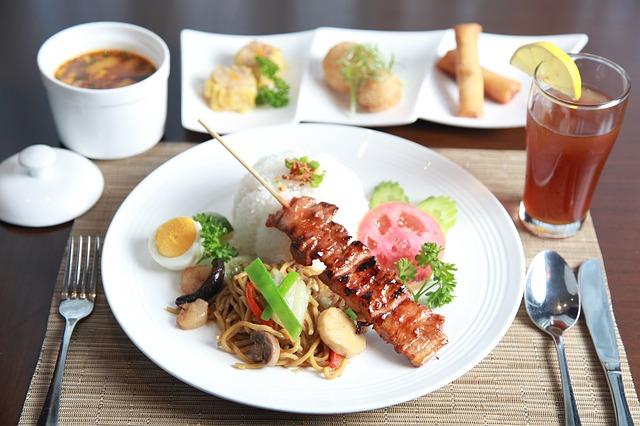
Lose weight without working out; but how you say?
The answer has a lot to do with your eating habits. Caloric balance is an ever-evolving challenge but it always rests on the same basic equation: the calories you consume through carbohydrates, fats, sugars and proteins should be balanced by the calories you burn through your daily life. A great way to tip this balance in your favor is through exercise, but if you are not an exercising type, or if you simply don’t have the time, here are some other useful ways you can help keep the scale of caloric balance relatively equal.
Establishing caloric balance without physical exertion
Of course these tips are not able to fully compensate for lack of exercise, but they will help you lower calorie intake eat more mindfully!
- Eat slower: take your time with your meal and chew thoroughly.
- Focus on protein: it makes you feel more full, reducing hunger and leading you to consume less calories in the long run.
- Focus on fiber: fiber also makes you feel full, reducing food and calorie intake.
- Replace soda with water: water reduces hunger, and the trade off between the caloric intake of a sugary drink and water can tip the scales enormously.
Why lose those few extra pounds?
Every pound over your ideal weight is adding unnecessary to the joints in your spine and the muscles supporting them, especially those of the lower back which bears the most burden of our upper body weight. Losing unnecessary weight is one of the fastest ways you can improve your experience with pain and ensure that your spine will have less burden going forward. There are many ways to lose weight and this is a good (albeit small) way to get started.
Dr. Chris Hayes, D.C.
Reclaiming your Sleep with Chronic Pain
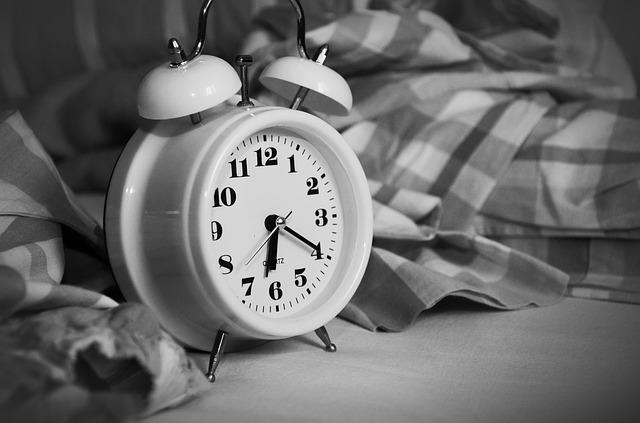
Chronic pain poses problems when it comes to bed time
How could one possibly fall asleep with a pounding headache, or searing pain in the neck or lower back? It’s a nasty cycle: because sleep is so integral to immune function, losing sleep actually perpetuates pain- and pain increases anxiety which further stops you from sleeping. How do we break ourselves out of this cycle? On the worse days, sleep loss may be an inevitability; otherwise its time to take back the steering wheel from pain and put yourself firmly in control of falling and staying asleep.
What you can do to find sleep with chronic pain
- Quality of sleep materials: a properly adjusted mattress and pillow can do wonders for your sleep experience.
- A calming sleep environment: ambient temperature, noise and smells can all be controlled to create a relaxing environment that is conducive to sleep.
- Progressive relaxation: while trying to fall asleep, take deep breaths and tense different muscle groups.
- Consider supplements: melatonin is a chemical that the body produces naturally to influence sleepiness- it can be purchased over-the-counter to add an extra boost to that sleepy feeling.
What not to do when trying to sleep with chronic pain
- Caffeine after 4 p.m. Caffeine can stay active in the blood stream for up to 8 hours after consumption.
- Alcohol before bed: the sedative effect helps you to drift off, but it interferes with restful sleep and can actually wake you up once it wears off.
- Exercise in the 3 hours before bed: exercise also jogs your brain muscle, so exercising right before bed often doesn’t have the exhaustive effect that will make you fall asleep.
Finding pain relief in Dunedin, FL
Long standing pain sufferers are constantly on the search for relief. At Hayes Family Chiropractic, we want to treat your pain at its source and this begins with a thorough spinal examination to determine exactly what that source is. Proper alignment of the spine can go a long way toward easing nerve pain that keeps you from sleeping. From here, we develop an individualized plan for rehabilitation that includes educating you about your treatment so that you can take control of your pain. Call our office in Dunedin to schedule an appointment today.
Dr. Chris Hayes, D.C.
Spice is Nice: How to Eat with Chronic Inflammation

Is inflammation just a buzz word?
Words associated with wellness have a tendency to attract a certain amount of hysteria- inflammation is no different. The presence of inflammation has been linked to so many health problems its hard to keep count; and here we were thinking it was just a part of the body’s natural healing response. And while the latter is true, inflammation becomes problematic in excess. Chronic inflammation causes your immune system to wear itself out as it responds to perceived dangers and an eroded immune system leaves you at risk to the development of a number of diseases.
Inflammation from a chiropractor’s perspective
For chiropractors, there is one key focus: inflammation as it causes stiff joints and other arthritis symptoms. Wear and tear injuries such as the degradation of joints over time cause your immune system to constantly perceive a threat and chronic inflammation is a natural result. Keeping inflammation down is a key way to lessen the hold of pain and stiffness on your life.
Eating anti-inflammatory is easy
With an anti-inflammatory diet, we are attempting to ease the effects of this low-grade, chronic inflammation. The elements of an anti-inflammatory diet are in line with other healthy diets and it can be delicious. Here are some good ways to start adding anti-inflammatory ingredients into your diet:
- Spice it up: turmeric is well-known for its anti-inflammatory capacities.
- Think fish: cold-water varieties are rich in omega-3 fatty acids which are a powerful anti-inflammatory.
- Focus on antioxidants: the kind you get from fruits, vegetables and green tea.
- Healthy oils and fats: bad fats and vegetable oils have a tendency to raise inflammatory markers in the blood. As an alternative, use olive oil or coconut oil.
When eating anti-inflammatory, try to limit:
- Soda and alcohol
- Processed sugars and fats
- And its always worth repeating, all junk food!
Fighting inflammation in Dunedin, FL
At our office in Dunedin, we want to help you eliminate long-standing chronic inflammation so that you can break yourself free of pain and stiffness. Diet is a powerful way to balance your immune system’s inflammatory response. Find out more ways we contribute to your overall well-being by giving our office in Dunedin a call today!
Dr. Chris Hayes, D.C.
Combating Adrenal Fatigue the Natural Way

What is adrenal fatigue?
Adrenal fatigue is a term that encompasses a few different disorders (and usually a combination of them) to describe the profound fatigue that is experience by people who are under mental, emotional or physical stress. It is a truly modern syndrome that is brought on by high-stress lifestyles and affects the body’s ability to recuperate from stressors in an effective manner to prevent them from compounding and creating problems in your life. Let’s take a closer look at the anatomy of the problem.
Symptoms of adrenal fatigue
- Depression
- Difficulty sleeping and waking up
- Exhaustion in the middle of the day
- Weight gain
- Muscle tension
- Loss of focus
Your adrenal glands are powerhouses
They produce over 50 hormones which directly regulate almost every human bodily function. As it relates to stress, the adrenal glands release adrenaline hormones when the brain registers a, “threat.” This could be something simple like spilled milk, something profound like the death of a family member, or a reaction to physical pain. An adrenal response is akin to survival- all processes that are not essential for immediate survival are mitigated; things like: digestion and protein synthesis.
Adrenal fatigue is about imbalance
Essentially, your adrenal glands can’t keep up with the amount of stress that is input on a daily basis. Your chronic stress is creating chronic problems in your body. We say it’s time to start supporting your adrenal glands. At Hayes Family Chiropractic, we like to fend off adrenal fatigue the best way we know how, the natural way! In our next blog, we will cover some specific techniques for dealing with adrenal fatigue the natural way, including:
- Stress reduction
- Stress coping
- Resolving pain
- Diet
- Exercise
Call our office in Dunedin and let’s start bailing out those adrenal glands today!
Dr. Chris Hayes, D.C.
How to Successfully Set Goals
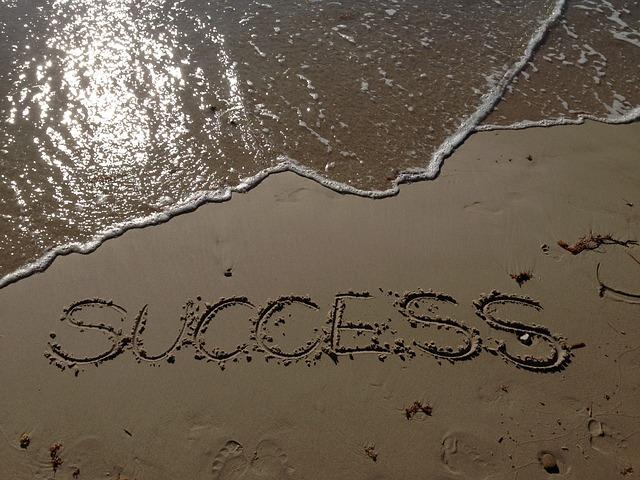
Impact your health plan by visualizing something specific for yourself.
With spring right around the corner, the opportunities for getting outside and changing the way you feel ar endless. An important way to take advantage of the season is to set goals for yourself. But not all goals are created equal- it is important to make goals that will set you upset for success. Start by being honest with yourself: what is your level of fitness? and where would you like to see yourself within a certain time frame. We came up with a few ways to keep your goals focused so that you can be successful.
Successful goal-setting starts with a piece of paper
- Write down a goal that is achievable in a two-month time frame. For example: sign yourself up for a race in the community that gives you two months to train. Or I want to reach X weight by the end of the month.
- Keep your goal-setting as detailed as possible: walk for 30 minutes a day, run three times per week, etc. Round numbers work the best! The idea is that you create an easily attainable baseline which will stick in your head.
- Write it into your schedule: when will you do it? Block out the time that will be dedicated to your goal.
- Choose an activity that brings you joy: don’t do something you hate just because it gets you fit. Choose activities or sports that you enjoy and you will find the most success.
One goal at a time for the win
Setting too many goals leaves you overwhelmed. The feeling of setting and achieving a goal, however simple, is a great boost to your reward complex and it will spur you on to greater things! At Hayes Family Chiropractic, we are your greatest cheerleaders- we can help you overcome physical obstacles and keep you motivated to achieve any goals you set for yourself this springtime.
Dr. Chris Hayes, D.C.
Stretches for the Serially Inflexible
Stretching may be the most important thing you are not doing
It’s easy to see why- with all the constraints of obligations on your waking hours, it can be hard to carve out a few minutes to lay down on the ground and breathe. But that could be the tonic you need to find a bit of relaxation amidst the chaos and provide your body with a gentle boost.
But where do I start?
It can be hard to know where to start. That’s why we’ve come up with a set of stretches that will start adding flexibility back into your life quickly! We hope to help you gain an appreciation for the feeling of flexibility and how it truly improves your life- in this way, you can take the initiative upon yourself to push further in your new flexible life. For now, let’s keep it simple and start with these intuitive and easy stretches.
- Knees to chest: lie on the ground and lift your knees toward your chest, squeezing from behind with both arms. Hold for 5 deep breaths, then…
- …knees to the side: from the position above, lower your legs to the left, keeping your shoulders flat on the ground. Hold 5 deep breaths then repeat on the right side.
- One leg over stretch: lying supine, bring your right knee up then lower it over your left leg. Extend your right arm in the opposite direction and look over your right shoulder. Hold for 10 seconds.
- Thigh stretch: Lie on your left side and reach down to grab your right ankle. Pull your ankle up toward your butt to create a stretch in the upper leg. Hold 5 seconds and repeat on the other side.
How we help at Hayes Family Chiropractic
Many movements that release the lower back from tension involve stretching the legs. This is because there is a dynamic relationship between the muscles of the lower back and the muscles and nerves which control the function of the lower body. Tight muscles in the upper legs and hips can create a pull on the lower back that causes a lot of pain. At our office in Dunedin, we can help you identify problem areas and start a regimen of stretching and healing that will resolve a lot of your problems with pain. Give us a call to schedule an appointment today.
Dr. Chris Hayes, D.C.