Posts by Dr. Hayes
How Often Should You See a Chiropractor for Back Pain in Dunedin, FL?
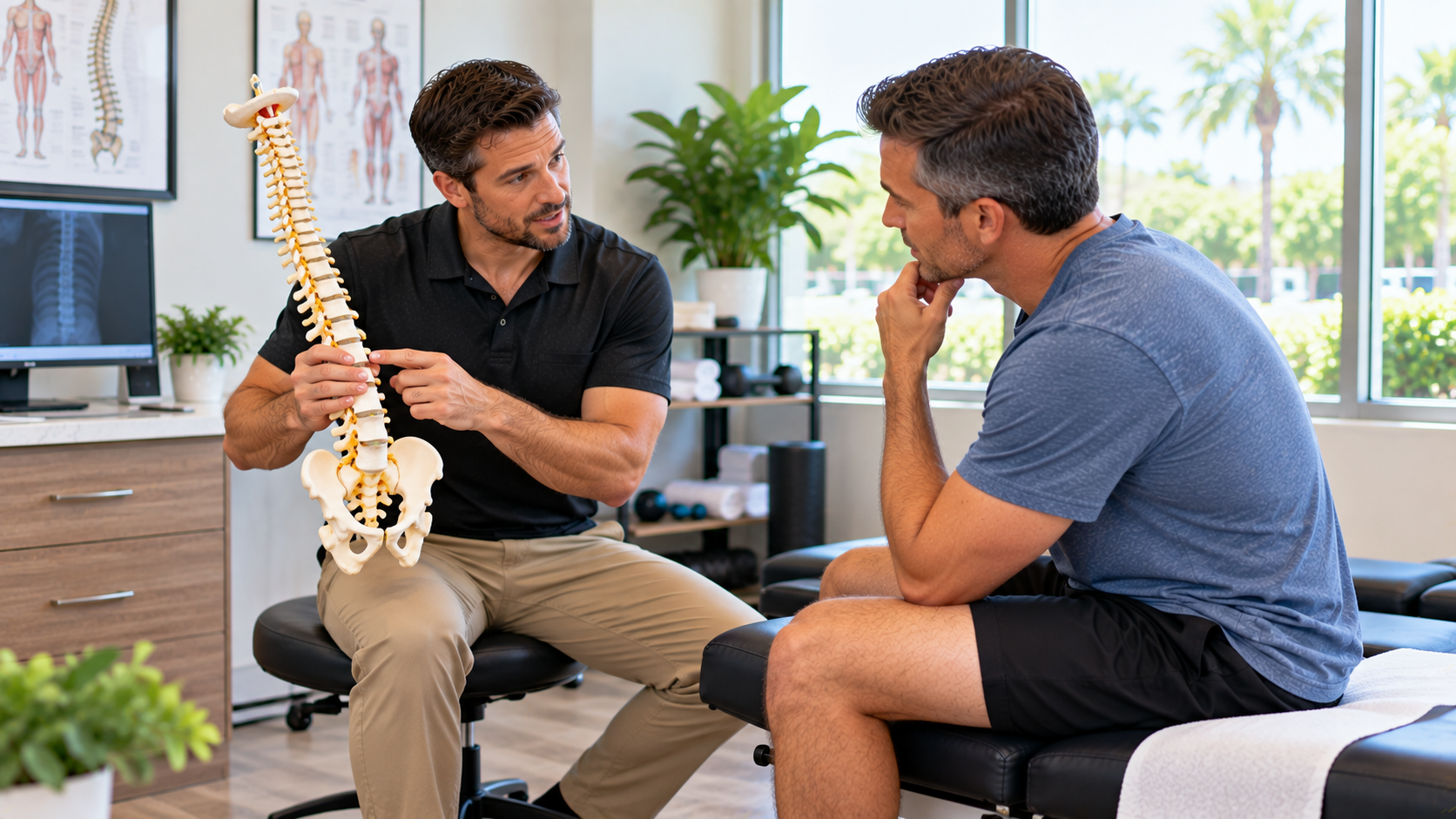
How often you should see a chiropractor for back pain in Dunedin, FL depends on the severity, cause, and duration of your condition. For acute back pain, most patients benefit from two to three visits per week during the first two to four weeks of care, then taper to once or twice weekly as improvement is confirmed. For chronic back pain, an initial intensive phase is followed by a maintenance schedule of one to four visits per month. At Hayes Family Chiropractic, the visit frequency is established at your first appointment based on your examination findings and adjusted at every reassessment as your condition evolves. There is no single correct answer that applies to everyone: the recommendation is individualized to your specific diagnosis, lifestyle, and treatment response. Start with a new patient evaluation at Hayes Family Chiropractic in Dunedin, and the care team will provide a clear, evidence-based recommendation for your care frequency.
Why Visit Frequency Varies by Condition and Patient
Chiropractic visit frequency is not a fixed formula because back pain is not a single, uniform condition. A patient with a fresh lumbar muscle strain of two days’ duration has a very different clinical picture from a patient with chronic degenerative disc disease and recurring sciatic episodes over several years. The condition type, its severity, how long it has been present, the patient’s age and general health, and how quickly they respond to initial treatment all influence the appropriate visit schedule.
Over-visiting provides diminishing returns: the spine needs time between adjustments to integrate the structural changes and for the soft tissue to stabilize in its new position. Under-visiting during the acute or intensive phase allows the restricted joints to return to their previous dysfunctional state before lasting change is established. The goal at Hayes Family Chiropractic is to find the minimum effective frequency for each patient, reducing visits as progress is confirmed and eliminating unnecessary care as the condition resolves.
Visit Frequency for Acute Back Pain
Acute back pain, meaning pain that has come on recently, is typically treated with higher initial visit frequency to interrupt the pain-tension-restriction cycle before it becomes self-sustaining. Most patients with moderate to severe acute back pain benefit from being seen two to three times per week during the first two to four weeks. This frequency allows the chiropractor to make consistent progress restoring joint motion before the surrounding muscles re-tighten between visits.
As the pain level decreases and range of motion improves, the frequency is reduced to once or twice weekly. This tapering phase continues until the patient has reached a functional plateau, at which point maintenance care is discussed. Many patients with acute back pain complete their active care phase within four to eight weeks and then transition to a preventive maintenance schedule.
At Hayes Family Chiropractic in Dunedin, the acute care frequency recommendation also considers whether deep tissue laser therapy is included in the plan. Laser therapy reduces inflammation more rapidly than adjustments alone, which can allow the frequency to be reduced sooner and the overall course of care shortened.
Visit Frequency for Chronic Back Pain
Chronic back pain, defined as pain persisting for more than twelve weeks, typically requires a longer initial intensive phase than acute pain because more entrenched patterns of joint restriction, muscle tension, and disc degeneration are involved. Patients with chronic back pain who have never had chiropractic care may require two to three visits per week for four to eight weeks before a meaningful reduction in symptoms allows the frequency to be tapered.
Unlike acute pain management, chronic pain management also includes a maintenance phase that is built into the long-term care plan from the beginning. Most patients with chronic back pain benefit from ongoing maintenance chiropractic care at a frequency of one to four visits per month even after their active pain has resolved. This maintenance care prevents the recurrence of joint restriction and disc stress that drives pain episodes, and keeps the spine functioning optimally over time.
Research supports chiropractic maintenance care for chronic low back pain as an effective strategy for reducing the frequency and severity of pain flare-ups over the long term. Patients who maintain a monthly chiropractic schedule after active treatment consistently report fewer pain episodes and less disability than those who discontinue care after the acute phase. Discuss maintenance options with the doctors at Hayes Family Chiropractic in Dunedin at your first appointment.
Preventive Chiropractic Care: How Often Is Enough
Preventive or wellness chiropractic care is for patients who are not currently in a pain episode but want to maintain spinal health, prevent future problems, and support overall physical function. This is particularly relevant for patients with physically demanding jobs, athletes, people with a history of recurring back pain, and anyone who spends extended hours sitting at a desk.
Most patients on a preventive chiropractic schedule are seen once per month to once every six weeks. At this frequency, the chiropractor can identify and address early joint restrictions before they progress to the point of causing pain, and make adjustments to posture and movement habits before compensatory patterns become established. Monthly chiropractic care is one of the most cost-effective investments in long-term musculoskeletal health.
If you have had a history of recurring back pain and want to stay ahead of it rather than waiting for the next episode to become debilitating, contact Hayes Family Chiropractic in Dunedin to discuss a preventive care schedule that fits your lifestyle and health goals.
Signs You May Need to See a Chiropractor More Often
Several patterns suggest that your current chiropractic frequency may be insufficient for your condition. If pain relief from each visit is lasting only a few days before returning to baseline, the frequency may need to increase or additional therapies such as laser therapy may need to be added to the plan. If you are completing all recommended visits but not making the expected progress, a reassessment of the diagnosis or treatment approach may be warranted.
Major lifestyle changes can also alter the appropriate visit frequency. A new physically demanding job, a change in workstation setup, a significant increase in sedentary time, or the onset of a new health condition can all shift the load on your spine in ways that require an adjustment to your care schedule. Always inform your chiropractor at Hayes Family Chiropractic of significant changes in your daily routine or health status so the care plan can be updated accordingly.
If your back pain has been worsening despite chiropractic treatment or if new symptoms such as leg pain, numbness, or bladder changes develop during your care, contact the clinic immediately for a reassessment rather than waiting for your next scheduled appointment.
How Your Care Plan Is Adjusted Over Time at Hayes Family Chiropractic
At Hayes Family Chiropractic in Dunedin, FL, visit frequency is not set once and left unchanged for the duration of care. The doctors conduct formal reassessments at regular intervals during your care plan, typically every four to six weeks during the active treatment phase, to evaluate your progress objectively using the same outcome measures recorded at your initial examination. These reassessments include re-testing range of motion, pain levels, and functional capacity.
Based on these findings, the care plan is updated: frequency is reduced as goals are met, additional therapies are added if progress is slower than expected, or care is transitioned from active treatment to maintenance based on the patient’s improved status. This ongoing evaluation ensures that your chiropractic care remains appropriate and efficient at every stage.
When you are ready to begin or continue chiropractic care for back pain in Dunedin, FL, schedule your appointment at Hayes Family Chiropractic. Complete the new patient form online to streamline your first visit, and the care team will develop a frequency recommendation tailored specifically to your condition and goals.
How often should you see a chiropractor for acute back pain?
For acute back pain, most patients benefit from two to three chiropractic visits per week during the first two to four weeks of care, tapering to once weekly as improvement is confirmed. The specific frequency depends on pain severity, cause, and how quickly you respond to initial treatment at Hayes Family Chiropractic in Dunedin.
Is seeing a chiropractor once a month enough for maintenance care?
For most patients in a preventive or maintenance phase after active back pain has resolved, one chiropractic visit per month is sufficient to maintain spinal health and prevent recurrence. Patients with more physically demanding lifestyles or a history of frequent pain episodes may benefit from visits every two to three weeks.
Can you see a chiropractor too often?
Yes. The spine needs time between adjustments to stabilize changes and for soft tissue to adapt. Over-treating can diminish the effectiveness of each session. A good chiropractor near Dunedin, FL will recommend the minimum effective frequency for your condition and reduce visits as your progress is confirmed, rather than keeping you on a high-frequency schedule indefinitely.
How long does a course of chiropractic care for back pain typically last?
An active treatment course for acute back pain typically lasts four to eight weeks. Chronic back pain treatment may extend twelve weeks or longer before transitioning to maintenance care. The total duration depends on diagnosis, severity, and individual treatment response. Your chiropractor at Hayes Family Chiropractic provides a realistic timeline at your first visit.
Should I keep seeing a chiropractor after my back pain is gone?
Continuing with monthly maintenance visits after your back pain resolves helps prevent recurrence and identifies early restrictions before they progress to pain episodes. Research supports maintenance chiropractic care for reducing the long-term burden of recurring back pain. Discuss whether a maintenance schedule makes sense for your situation with the doctors at Hayes Family Chiropractic in Dunedin.
How do I know if chiropractic care is working for my back pain?
Clear indicators that chiropractic is working include progressively decreasing pain intensity, improved range of motion, better sleep, increased ability to perform daily activities without pain, and reduced need for over-the-counter pain relievers. At Hayes Family Chiropractic, formal progress reassessments measure these outcomes objectively so you have clear data on your treatment response.
Chiropractor vs. Massage Therapy for Back and Neck Pain: Which Does What?
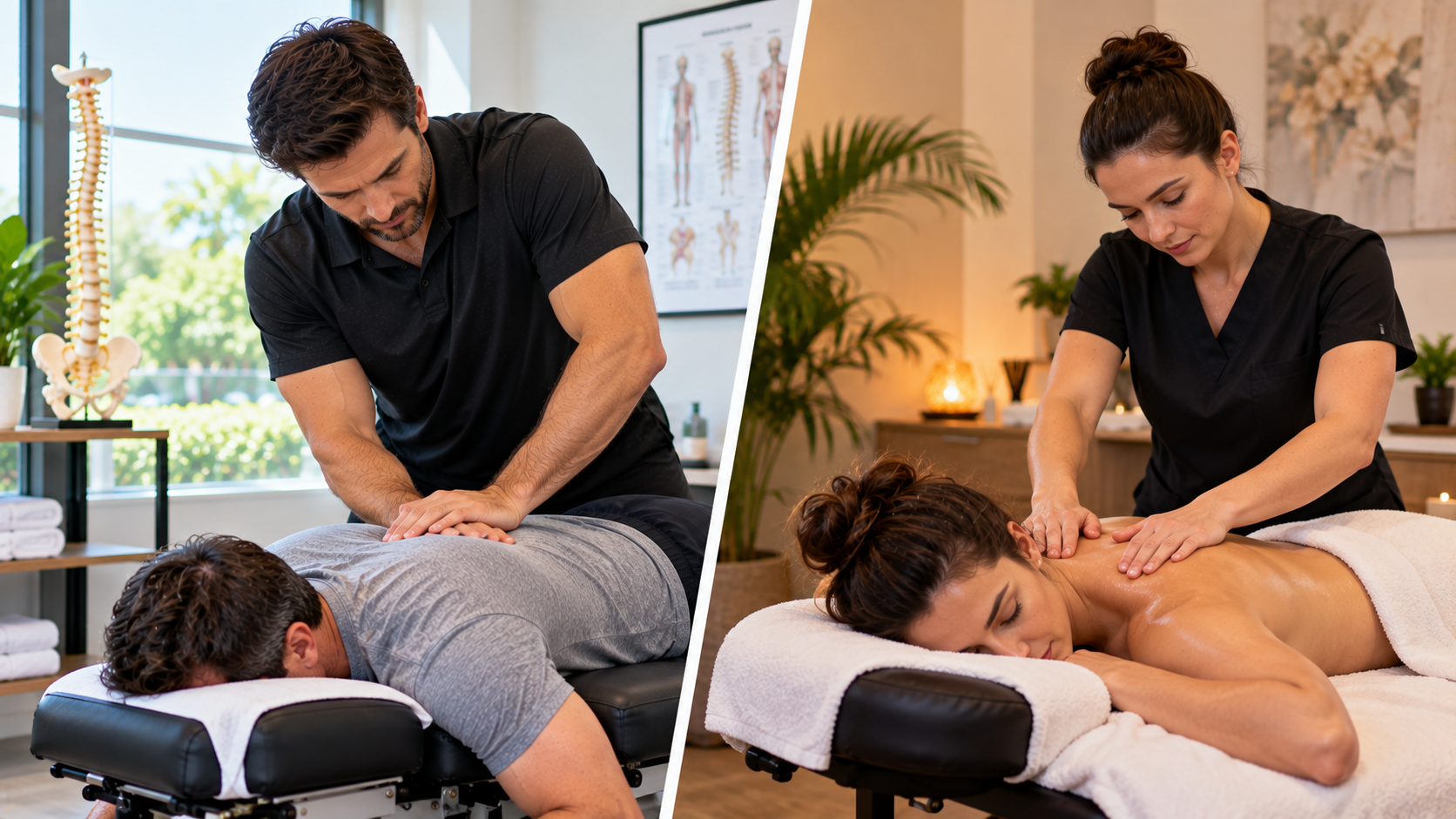
Chiropractic care and massage therapy address different aspects of back and neck pain. Chiropractic targets the underlying structural dysfunction, including restricted joints, disc problems, and nerve irritation, through spinal adjustments and related techniques. Massage therapy focuses on soft tissue tension, muscle tightness, and stress-related pain in the muscles and fascia without directly addressing joint alignment or disc pathology. At Hayes Family Chiropractic in Dunedin, FL, the structural approach of chiropractic adjustments and deep tissue laser therapy addresses conditions that massage alone cannot resolve. For many patients with both joint restriction and muscular tension, the most effective approach combines elements of both. Understanding which type of care your pain needs starts with a chiropractic evaluation to identify the specific structural and soft tissue factors involved.
What Chiropractic Care Treats for Back and Neck Pain
Chiropractic care is specifically designed to diagnose and treat dysfunction in the joints, discs, and nerves of the spine. When a vertebral joint is restricted in its normal range of motion, it creates a cascade of effects: local muscle tension develops to guard the joint, the disc above or below may experience abnormal stress, and the nerve exiting the spine at that level may be irritated. These mechanical problems do not resolve with soft tissue work alone because the underlying joint restriction remains.
Common back and neck conditions that respond best to chiropractic care include lumbar and cervical facet joint dysfunction, herniated or bulging discs, degenerative disc disease, sciatica and radiculopathy, sacroiliac joint dysfunction, cervicogenic headaches, and postural imbalances that have created structural load-bearing problems in the spine. These conditions have a mechanical structural origin and require mechanical structural treatment.
At Hayes Family Chiropractic in Dunedin, chiropractic adjustments are combined with spinal decompression, laser therapy, and corrective exercise to create a comprehensive structural treatment approach. This is particularly important for patients who have tried massage therapy without lasting relief because it means the structural component of their pain has not been addressed.
What Massage Therapy Treats for Back and Neck Pain
Massage therapy works on the muscles, tendons, fascia, and other soft tissues of the body. By applying sustained pressure and specific stroking techniques, a massage therapist releases muscle tension, improves circulation in the soft tissue, and reduces the neurological sensitivity that makes tight muscles painful. These effects can provide significant relief for conditions that are primarily muscular in nature.
Back and neck conditions that respond well to massage therapy include acute and chronic muscle tension from stress, poor posture, or repetitive strain; trigger points (localized areas of muscle hypersensitivity that refer pain to other areas); myofascial pain syndrome; and tension headaches originating from tight neck and shoulder muscles. For these conditions, the therapeutic value of massage is genuine and the relief can last days to weeks.
The limitation of massage for back and neck pain is that it cannot correct joint restriction, reduce disc herniation, or improve nerve compression. If your back or neck pain returns consistently after every massage, or if massage provides only brief relief before the tension returns, this typically indicates that a structural joint or disc problem is driving the muscle tightness as a secondary response. In that case, a chiropractic evaluation is the appropriate next step.
Key Differences Between Chiropractic and Massage
The most fundamental difference between chiropractic and massage is the target tissue. Chiropractic adjustments directly mobilize the joints of the spine and pelvis, which are structures that massage cannot access in the same mechanical way. The high-velocity, low-amplitude thrust of a spinal adjustment or the precise decompressive force of a flexion-distraction technique creates changes in the joint itself, including changes in joint fluid pressure, receptor signaling, and mechanical position, that massage cannot replicate.
A second key difference is licensure and scope of diagnosis. Chiropractors are doctoral-level healthcare providers who are trained to diagnose spinal and musculoskeletal conditions, order diagnostic imaging, and develop treatment plans. Licensed massage therapists are trained to assess and treat soft tissue dysfunction but do not diagnose in the clinical sense and cannot order imaging. This distinction matters when you have a pain condition that has not been properly evaluated and diagnosed.
Duration and frequency of care also typically differ. Massage sessions are commonly scheduled weekly or bi-weekly for maintenance of soft tissue health. Chiropractic care during an active pain episode is typically more frequent initially, often two to three times per week, and tapers as the condition improves. Hayes Family Chiropractic in Dunedin will establish the appropriate frequency for your care based on your specific examination findings.
When to Choose Chiropractic Over Massage for Pain
Choose chiropractic care when your back or neck pain is accompanied by nerve symptoms such as radiating pain, numbness, or tingling. These symptoms indicate nerve involvement that requires structural decompression rather than soft tissue work. Similarly, choose chiropractic when your pain came on after a specific incident such as lifting, a slip and fall, or a motor vehicle accident, as these typically involve joint injury or disc damage that needs direct treatment.
Chiropractic is also the better choice when your pain is severe enough to significantly limit your range of motion or daily function, when the pain has been present for more than a few weeks without improvement, or when you have already had repeated massage sessions without lasting relief. These patterns suggest that the pain driver is structural rather than purely muscular.
At Hayes Family Chiropractic in Dunedin, FL, a thorough examination on your first visit will confirm whether your pain has a chiropractic-amenable structural component. If it does, chiropractic care is the more direct path to lasting relief.
When Combining Chiropractic and Massage Produces the Best Results
For many patients with back and neck pain, the best outcomes come from combining chiropractic care with soft tissue approaches. Chronic muscle tension that develops as a secondary response to long-standing joint restriction can limit the effectiveness of adjustments if the muscles are too tight to allow the joint to move normally. Soft tissue work before an adjustment can relax the surrounding musculature and make the adjustment more effective and more comfortable.
Conversely, relieving the underlying structural dysfunction through chiropractic care removes the primary stimulus for the muscle tension, allowing soft tissue work to produce longer-lasting results. Patients who receive only massage for pain driven by a joint restriction find that the tension returns quickly because the cause has not been addressed. Adding chiropractic to the plan resolves the root issue.
If you are already receiving regular massage and noticing that the relief duration is getting shorter, or that the same areas of tension return consistently, a chiropractic evaluation at Hayes Family Chiropractic in Dunedin may identify the structural component that is limiting your massage results. Many patients find that adding chiropractic care to their routine makes both therapies more effective.
Is a chiropractor better than massage for back pain?
For back pain with a structural or disc-related cause, chiropractic is more effective than massage because it directly addresses the joint restriction, disc involvement, or nerve irritation driving the pain. For back pain that is purely muscular, massage may be equally or more effective. A chiropractic examination at Hayes Family Chiropractic in Dunedin can determine which type of care best matches your specific condition.
Can massage make a spinal problem worse?
Standard massage therapy does not generally worsen a spinal structural problem, but it cannot correct one either. Deep pressure applied directly over a herniated disc or acutely inflamed joint may temporarily increase discomfort. If you have a known disc herniation or are in an acute pain episode, inform your massage therapist so they can modify their approach.
Should I get a massage before or after chiropractic?
When massage and chiropractic are used together, receiving soft tissue work before the adjustment can be beneficial because it relaxes the muscles and allows the adjustment to be performed more easily. However, the sequencing depends on the clinical approach at the specific clinic. At Hayes Family Chiropractic in Dunedin, the doctors will advise on the most effective combination based on your examination findings.
Can chiropractic relieve muscle tension in the neck and upper back?
Yes. While chiropractic targets joints rather than muscles directly, restoring normal joint motion relieves the primary stimulus for the muscle guarding and tension that builds up around a restricted joint. Most patients report that their neck and upper back muscle tension decreases significantly as chiropractic care normalizes the joint mechanics in the cervical and thoracic spine.
How do I know if my back pain is muscular or structural?
Muscular back pain is typically diffuse, worsens with specific movements or positions, and does not radiate into the limbs. Structural or joint-related pain often includes a more localized point of maximum tenderness, limited range of motion in specific directions, and may produce clicking or catching sensations with movement. Nerve-related structural pain radiates into the leg or arm. A chiropractic examination at Hayes Family Chiropractic identifies the specific source of your pain.
Does Hayes Family Chiropractic in Dunedin offer massage therapy?
Hayes Family Chiropractic offers a range of complementary therapies including deep tissue laser therapy and soft tissue work as part of comprehensive chiropractic care. Contact the clinic in Dunedin for specific information about the services currently available and how they may be integrated into your care plan.
Can a Chiropractor Help With Sciatica? A Dunedin, FL Patient Guide
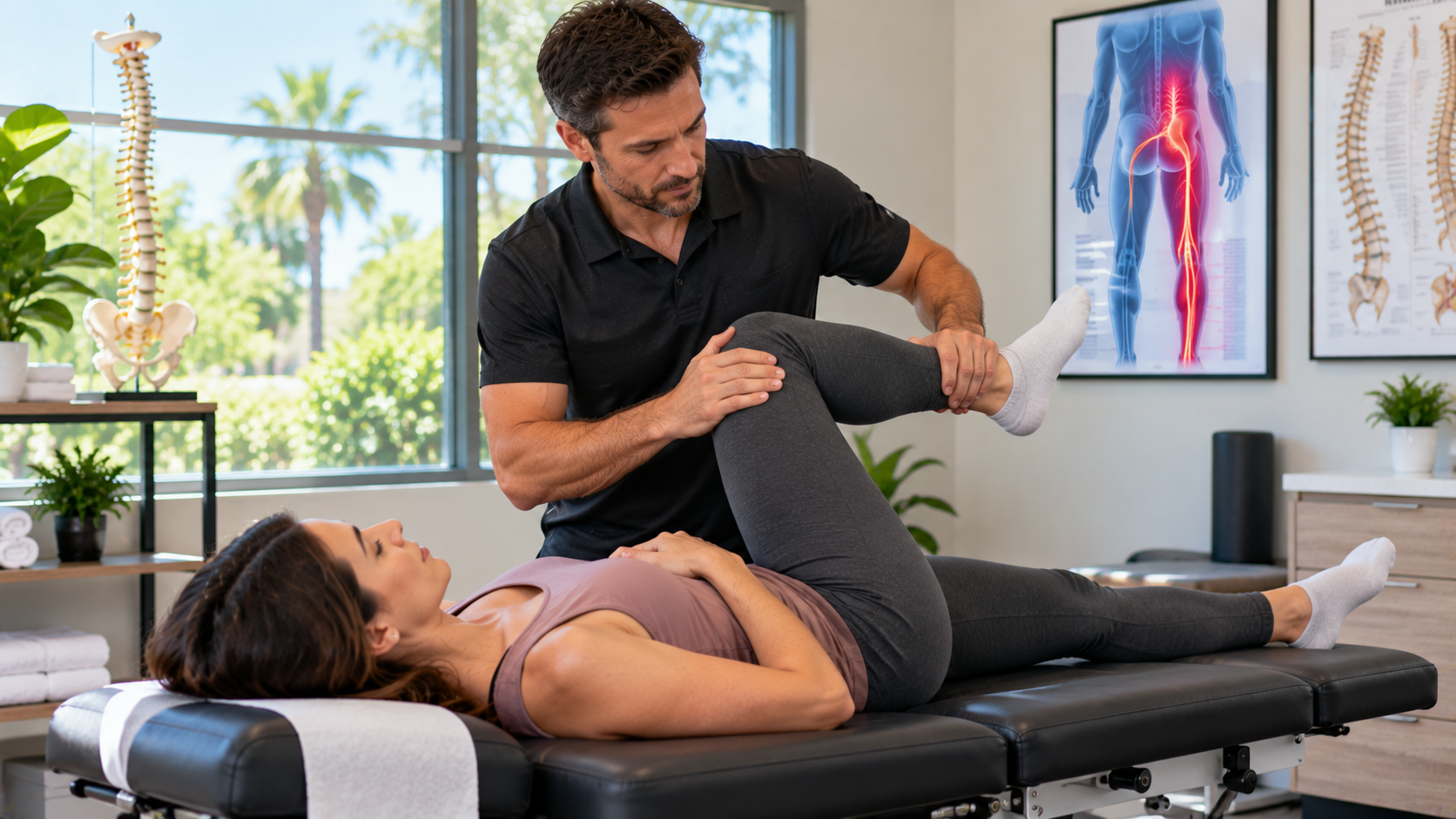
Yes, a chiropractor can help with sciatica in Dunedin, FL when the nerve compression originates from a lumbar disc herniation, spinal stenosis, or piriformis syndrome. At Hayes Family Chiropractic, sciatica is treated with targeted lumbar adjustments, flexion-distraction decompression, and deep tissue laser therapy to reduce inflammation along the sciatic nerve pathway. These approaches relieve the radiating leg pain, numbness, and tingling that characterize sciatica without the need for medication or surgery in most cases. A thorough examination determines whether your sciatica is an appropriate candidate for chiropractic care, and the doctors at Hayes Family Chiropractic will refer you to a medical specialist if surgery or imaging-guided intervention is required. Schedule a new patient evaluation in Dunedin to get a specific diagnosis and treatment plan for your sciatic pain.
What Is Sciatica and What Causes It
Sciatica refers to pain, numbness, tingling, or weakness that radiates along the path of the sciatic nerve, which runs from the lower back through the buttock and down the back or side of one or both legs. The sciatic nerve is the longest nerve in the body, and when it is compressed or irritated at its origin in the lumbar spine, the symptoms can be felt anywhere along its entire course.
The most common cause of sciatica is a herniated lumbar disc, in which the soft inner material of a disc pushes through the outer layer and contacts the adjacent nerve root. Lumbar spinal stenosis, a narrowing of the spinal canal that compresses the nerves within it, is another common cause, particularly in older adults. Piriformis syndrome, a condition in which the piriformis muscle in the buttock compresses the sciatic nerve, is a less common but frequently overlooked cause that responds particularly well to chiropractic care.
Less commonly, sciatica may result from a spinal tumor, infection, or other systemic condition. A thorough examination at Hayes Family Chiropractic in Dunedin includes neurological screening to identify whether the sciatica requires medical evaluation alongside chiropractic treatment, or whether it is appropriate to begin chiropractic care immediately.
How Chiropractic Adjustments Treat Sciatica
Chiropractic adjustments for sciatica target the lumbar vertebral segments and sacroiliac joints involved in the compression of the sciatic nerve root. By restoring normal motion and position to these joints, the adjustment reduces the mechanical pressure on the disc or nerve root that is generating the radiating pain. Over a series of treatments, this allows the disc to retract, inflammation to subside, and nerve function to normalize.
For disc-related sciatica, the flexion-distraction technique is commonly used at Hayes Family Chiropractic in Dunedin. This technique uses a specialized table that gently stretches and decompresses the lumbar spine while the chiropractor applies specific mobilization to the affected segment. Flexion-distraction reduces intradiscal pressure, encourages retraction of the herniated material, and improves circulation to the disc without the compressive forces involved in traditional lumbar adjustments.
For piriformis-related sciatica, treatment focuses on releasing the piriformis muscle through targeted soft tissue therapy and restoring sacroiliac joint alignment. This combination directly addresses the muscular and joint dysfunction compressing the sciatic nerve in the buttock. Patients with piriformis-related sciatica often respond quickly to this approach because the cause is muscular rather than structural disc pathology.
Deep Tissue Laser Therapy for Sciatica Relief in Dunedin, FL
One of the most effective complements to chiropractic adjustments for sciatica at Hayes Family Chiropractic in Dunedin is deep tissue laser therapy. Laser therapy uses concentrated light energy to penetrate deeply into inflamed tissue, stimulating cellular repair, reducing pro-inflammatory markers, and improving circulation in both the disc tissue and the nerve pathway itself. This is particularly valuable for sciatica because the inflammation along the nerve root is a major driver of the pain, numbness, and tingling experienced down the leg.
The laser is applied along the lumbar spine at the level of the nerve root compression and, in many cases, along the sciatic nerve pathway into the buttock and leg. Patients typically experience a warm, gentle sensation during the treatment with no discomfort. The anti-inflammatory and neural healing effects of laser therapy accumulate over multiple sessions, which is why it is most effective when combined with a series of chiropractic adjustments rather than used as a standalone treatment.
The combination of lumbar adjustment and laser therapy available at Hayes Family Chiropractic in Dunedin offers sciatica patients a genuinely comprehensive non-surgical treatment approach that addresses both the structural source of the compression and the inflammatory response that sustains the nerve pain.
What to Expect During Chiropractic Treatment for Sciatica
Most patients with sciatica notice some reduction in pain intensity within the first two to four chiropractic visits, though the full course of treatment takes longer. The leg pain and radiating symptoms are often the first to improve, followed by the low back pain and, finally, any residual numbness or tingling. Numbness and altered sensation take the longest to resolve because they reflect nerve healing, which occurs more slowly than pain reduction.
During treatment, it is important to avoid activities that aggravate the disc or nerve compression. Your chiropractor at Hayes Family Chiropractic will provide specific guidance on positions and movements to avoid, such as prolonged sitting, heavy lifting with a rounded back, or certain stretches that increase disc pressure. Following these guidelines between visits significantly improves your treatment outcomes.
Most patients with disc-related sciatica require a minimum of eight to twelve chiropractic visits over four to six weeks to achieve meaningful improvement. Complex or long-standing cases may require more. At each reassessment, the doctors at Hayes Family Chiropractic evaluate your progress and adjust the care plan accordingly. If your condition is not responding to chiropractic care, your chiropractor will discuss other options and referrals.
When Surgery Is Needed for Sciatica Instead of Chiropractic
The large majority of sciatica cases resolve with non-surgical treatment, including chiropractic care. Surgery is generally reserved for cases with progressive neurological deficits (such as worsening leg weakness or foot drop), loss of bladder or bowel control (cauda equina syndrome, which is a medical emergency), or cases where significant functional impairment persists after a full trial of conservative care.
If your sciatica is accompanied by any of these warning signs, seek immediate medical evaluation rather than beginning or continuing chiropractic care. For most patients without these red-flag features, a trial of chiropractic care before considering surgical consultation is clinically reasonable and supported by evidence. Research shows that a significant percentage of patients with herniated disc-related sciatica achieve meaningful improvement through conservative care and avoid surgery entirely.
The chiropractors at Hayes Family Chiropractic in Dunedin will be straightforward about whether your sciatica is appropriate for chiropractic management or whether a surgical evaluation is warranted based on your examination findings and imaging results.
How long does it take for chiropractic to help sciatica?
Most patients with sciatica notice improvement within the first two to four chiropractic visits at Hayes Family Chiropractic. Full resolution of radiating leg pain, numbness, and tingling typically takes four to twelve weeks depending on the severity of nerve compression and the duration of the condition. Residual numbness takes the longest to resolve as it reflects nerve healing rather than simple pain reduction.
Can a chiropractor make sciatica worse?
Chiropractic care performed after a thorough examination by a qualified chiropractor is safe for sciatica. The examination identifies contraindications and guides technique selection to avoid aggravating the condition. Patients should tell their chiropractor immediately if symptoms worsen significantly after an adjustment, which allows the approach to be modified. At Hayes Family Chiropractic in Dunedin, all treatment decisions are made based on examination findings.
Is chiropractic or physical therapy better for sciatica?
Both chiropractic and physical therapy offer evidence-based approaches to sciatica, and many patients benefit from both. Chiropractic directly addresses the joint dysfunction and disc pressure contributing to nerve compression. Physical therapy focuses on rehabilitative exercises that stabilize the lumbar spine and prevent recurrence. Hayes Family Chiropractic integrates corrective exercise guidance alongside adjustments to provide a more complete approach to sciatica recovery.
Can chiropractic help sciatica caused by spinal stenosis?
Yes. Chiropractic care, including spinal decompression and gentle mobilization, can help manage sciatica caused by spinal stenosis by reducing nerve compression and improving spinal mobility. Stenosis-related sciatica requires a modified approach that avoids extension-loaded positions, and the chiropractors at Hayes Family Chiropractic are experienced in adapting techniques for stenosis cases.
Should I rest or stay active during chiropractic treatment for sciatica?
Gentle movement is generally better than complete bed rest for sciatica during chiropractic treatment. Your chiropractor at Hayes Family Chiropractic will provide specific activity guidelines based on your diagnosis, including which movements to avoid and which are safe and helpful. Walking at a comfortable pace is usually recommended as it promotes circulation and disc health without increasing nerve compression.
How do I know if my leg pain is sciatica or something else?
Sciatica typically presents as a radiating pain that travels from the lower back or buttock into the leg, often following a specific path along the back or side of the thigh, calf, or foot. It is usually felt on one side only. Other conditions such as hip arthritis, sacroiliac joint dysfunction, or peripheral neuropathy can produce similar leg pain patterns. A thorough examination at Hayes Family Chiropractic will identify the specific source of your leg pain and determine the appropriate treatment.
When Should I See a Chiropractor for Lower Back Pain in Dunedin, FL?

You should see a chiropractor for lower back pain in Dunedin, FL when your pain has persisted longer than a few days without improvement, when it is interfering with sleep, work, or daily movement, when it radiates into your buttocks or leg, or when over-the-counter medication is not providing adequate relief. At Hayes Family Chiropractic, the doctors evaluate the root cause of lower back pain and provide targeted chiropractic adjustments, spinal decompression, and deep tissue laser therapy to address both the pain and its underlying mechanical cause. Waiting too long to seek care often allows acute lower back pain to transition into a chronic condition that is harder to resolve. Most patients who address their back pain early achieve faster and more complete recovery. Book your first appointment online or contact the Dunedin clinic directly.
Common Causes of Lower Back Pain Treated by Chiropractors
Lower back pain is one of the most prevalent health complaints in the United States, affecting millions of adults at some point in their lives. The majority of lower back pain cases have a mechanical origin, meaning the pain results from dysfunction in the muscles, joints, discs, or nerves of the lumbar spine rather than from a systemic disease. Mechanical lower back pain responds well to chiropractic care.
Common causes seen at Hayes Family Chiropractic in Dunedin include lumbar facet joint dysfunction, sacroiliac joint dysfunction, muscle strains from lifting or sudden movement, disc herniation or bulging discs, degenerative disc disease, and lumbar spinal stenosis. The specific cause determines the approach to treatment, which is why a thorough examination at your first visit is essential before any adjustment is performed.
Not all lower back pain is purely mechanical. Pain accompanied by fever, unexplained weight loss, bladder or bowel dysfunction, or progressive neurological weakness may indicate a condition requiring medical evaluation before or alongside chiropractic care. Your chiropractor at Hayes Family Chiropractic will screen for these red-flag signs at your first appointment and refer you appropriately if they are present.
Signs You Should See a Chiropractor for Lower Back Pain Now
Several specific patterns of lower back pain are strong indicators that chiropractic care is the appropriate next step. Pain that worsens with prolonged sitting and improves when you move or change positions typically reflects a joint or disc problem that responds well to adjustment. Morning stiffness that takes more than 30 minutes to resolve after getting out of bed suggests restricted joints that benefit from mobilization.
Radiating pain that travels from the lower back into the buttocks, the back or side of the thigh, or down into the calf or foot often indicates nerve irritation from a lumbar disc or facet joint problem. This pattern, whether or not it meets the full criteria for sciatica, is a signal to seek evaluation rather than wait for it to resolve on its own. Left untreated, nerve irritation from lumbar disc involvement can worsen progressively.
If you have had lower back pain for more than four to six weeks, have already tried rest and over-the-counter pain relievers without lasting relief, or if the pain is returning for the second or third time despite brief recovery periods, these are clear indications that the underlying mechanical problem has not been resolved and needs direct treatment. Schedule a consultation at Hayes Family Chiropractic in Dunedin before the pain cycle entrenches itself further.
What Chiropractic Does for Lower Back Pain
Chiropractic adjustments for lower back pain work by restoring proper motion and alignment to restricted or misaligned lumbar and sacral joints. When a lumbar facet joint is locked in a position of restriction, the surrounding muscles guard it by contracting, which creates the combination of stiffness, achiness, and limited movement that characterizes most mechanical lower back pain. The adjustment releases the restriction, allowing the muscles to relax and pain signals to normalize.
For lower back pain involving disc herniation, a technique called flexion-distraction may be used instead of or alongside traditional high-velocity adjustments. Flexion-distraction uses a specialized table that gently decompresses the lumbar disc while mobilizing the spine in a low-force, rhythmic pattern. This is particularly effective for patients whose disc pain is aggravated by extension-based movements.
Combined with deep tissue laser therapy, chiropractic adjustments for lower back pain are even more effective because the laser reduces the inflammation in the disc and surrounding soft tissue that makes the joint painful and difficult to adjust initially. This pairing shortens the recovery curve and improves patient comfort during the acute phase of treatment at Hayes Family Chiropractic in Dunedin.
When to See a Medical Doctor Instead of a Chiropractor for Back Pain
Chiropractic care is highly effective for mechanical lower back pain, but there are conditions that require medical evaluation either before or instead of chiropractic treatment. Seek immediate medical attention if your lower back pain is accompanied by sudden inability to control bladder or bowel function (which may indicate cauda equina syndrome, a medical emergency), severe and rapidly worsening leg weakness, or lower back pain that follows significant trauma such as a fall or motor vehicle accident in which a fracture is possible.
Also seek medical evaluation if your lower back pain is accompanied by systemic symptoms such as fever, night sweats, unintentional weight loss, or a history of cancer, as these may indicate a non-mechanical cause that requires imaging and medical workup before chiropractic care begins. Chiropractors screen for these conditions during the intake examination, and good chiropractors near Dunedin will refer to appropriate medical providers when indicated rather than treating conditions outside the chiropractic scope.
In many cases, chiropractic care and medical care can proceed simultaneously. The doctors at Hayes Family Chiropractic communicate with your other treating providers when co-management is in your best interest, ensuring that your care is coordinated rather than fragmented.
How Early Treatment Prevents Chronic Lower Back Pain
Research consistently shows that patients who receive early chiropractic care for acute lower back pain have significantly lower rates of transition to chronic pain compared to those who adopt a wait-and-see approach. Acute lower back pain that is not addressed mechanically often progresses through a predictable cycle: the restricted joint causes continued muscle guarding, which leads to postural compensation, which creates stress on adjacent joints, which generates a broader pattern of dysfunction that becomes progressively harder to unwind.
Early intervention breaks this cycle. By restoring normal joint motion in the acute phase, chiropractic care prevents the secondary muscle and postural adaptations that turn a simple joint problem into a complex multi-region condition. Patients who receive chiropractic care within two weeks of the onset of lower back pain consistently report faster recovery and fewer recurrences than those who wait longer to seek treatment.
If you are in the early stages of a lower back pain episode in Dunedin, FL, this is the ideal time to schedule at Hayes Family Chiropractic. Same-week appointments are typically available, and most patients receive their first adjustment on the same day as their examination.
How long should I wait before seeing a chiropractor for lower back pain?
Ideally, do not wait more than a week if your lower back pain has not shown clear improvement on its own. If the pain is severe, radiating into your leg, or affecting your ability to work or sleep, seek care sooner. Research shows that early chiropractic care produces better outcomes than waiting, and prevents acute pain from becoming chronic.
Can a chiropractor help with a herniated disc in the lower back?
Yes. Chiropractic care, including gentle flexion-distraction technique and spinal decompression, is an effective non-surgical treatment for lumbar disc herniation. The treatment reduces the pressure on the herniated disc, encourages the disc material to retract away from the nerve root, and addresses the surrounding joint dysfunction that contributes to pain. Hayes Family Chiropractic in Dunedin offers these techniques for appropriate candidates.
Is lower back pain from sitting too much helped by chiropractic?
Yes. Prolonged sitting compresses the lumbar discs and creates the facet joint restrictions and muscle imbalances that cause lower back pain in sedentary and desk-based workers. Chiropractic adjustments restore joint motion, and the care plan at Hayes Family Chiropractic includes posture correction guidance and corrective exercises to address the root postural cause alongside the structural treatment.
How many chiropractic visits do I need for lower back pain?
The number of visits depends on the severity, cause, and duration of the back pain. Acute lower back pain often improves significantly within four to eight visits. Chronic conditions or structural issues such as disc herniation or degenerative disc disease typically require a longer course of care. Your chiropractor at Hayes Family Chiropractic will provide a specific recommendation at your first visit based on your examination findings.
Can chiropractic care prevent lower back pain from coming back?
Regular chiropractic maintenance care, along with the corrective exercises and posture habits recommended during active treatment, significantly reduces the recurrence rate of lower back pain. Patients who continue with monthly or bi-monthly chiropractic visits after their acute episode resolves typically experience fewer and less severe flare-ups over time.
Should I ice or heat my lower back before a chiropractic appointment?
Ice is generally recommended for acute lower back pain within the first 48 to 72 hours of onset to reduce inflammation, while heat is more appropriate for chronic muscle tension. Your chiropractor at Hayes Family Chiropractic will advise you on the best home care strategy for your specific condition during your first visit.
Do I Need a Referral to See a Chiropractor in Florida?

No, you do not need a referral to see a chiropractor in Florida. Chiropractors are licensed primary healthcare providers under Florida law, which means you can book an appointment directly without first seeing a primary care physician or specialist. This applies to all chiropractic care at Hayes Family Chiropractic in Dunedin, FL. While a referral from your medical doctor is not required to begin care, there are some insurance considerations to be aware of: certain plans may require a referral for insurance coverage to apply, even though one is not legally required to access chiropractic services. The billing team at Hayes Family Chiropractic will verify your specific plan’s referral requirements when verifying your benefits before your first appointment.
Florida Law: Chiropractors as Primary Healthcare Providers
Under Florida Statutes Chapter 460, doctors of chiropractic are classified as primary healthcare providers. This legal designation means that patients in Florida can access chiropractic care directly, without a physician’s referral, as a matter of state law. The same direct-access principle applies across most of the United States, where chiropractic has been recognized as a primary care discipline for decades.
As a primary provider, a chiropractor at Hayes Family Chiropractic can conduct an independent examination, establish a diagnosis within the chiropractic scope of practice, order diagnostic imaging such as X-rays, develop and execute a treatment plan, and refer you to other specialists or physicians when your condition falls outside chiropractic scope or requires co-management. This full-scope capability is why patients in Dunedin, FL do not need to go through their primary care doctor first to receive chiropractic care.
When an Insurance Plan May Require a Referral
Even though Florida law does not require a referral to see a chiropractor, some insurance plans do require one as a condition of coverage. This is most common with HMO-type plans that require all care to be coordinated through a primary care physician (PCP) who acts as a gatekeeper. Under an HMO structure, seeing a specialist, including a chiropractor, without a PCP referral may result in the claim being denied or covered at a lower rate.
PPO plans, on the other hand, generally allow you to see any in-network provider, including chiropractors, without a referral. Medicare does not require a referral for chiropractic care under Part B. Most employer-sponsored PPO plans and individual marketplace plans also do not require referrals for chiropractic visits.
The most reliable way to know whether your plan requires a referral is to call the member services number on your insurance card and ask directly, or to let the billing team at Hayes Family Chiropractic verify your specific plan’s requirements as part of the pre-visit benefit check. This step takes just a few minutes and ensures your visit is covered as expected.
What to Bring to Your Chiropractic Appointment Without a Referral
Since you are coming in without a referral, the intake process at Hayes Family Chiropractic begins with a thorough health history and examination by the chiropractor, who functions as your primary provider for this episode of care. Bring your insurance card, a photo ID, and a clear description of your symptoms including their location, duration, and what makes them better or worse.
If you have had prior imaging such as X-rays or MRI related to your condition, bring those reports or digital access. If you are taking any medications relevant to your complaint, such as anti-inflammatories, muscle relaxants, or blood thinners, have that list ready. The new patient intake form online asks for this information in advance, which helps the doctor prepare for your visit.
You do not need a letter from another doctor, a diagnosis code from a prior visit, or any other referral documentation. You simply book your appointment and show up. The chiropractor at Hayes Family Chiropractic in Dunedin will conduct a complete evaluation and develop a care plan based on their own findings.
When Working With Your Medical Doctor Is Still Helpful
While a referral is not required, there are situations where coordinating with your primary care physician or a specialist can enhance your chiropractic care. If you have a complex medical history, are recovering from surgery, have been diagnosed with conditions such as osteoporosis or cancer, or are on anticoagulant medication, informing both your medical doctor and your chiropractor about all providers involved in your care improves safety and care coordination.
Similarly, if your symptoms do not improve within a reasonable timeframe of chiropractic treatment, or if new or worsening symptoms appear, your chiropractor at Hayes Family Chiropractic may refer you to your primary physician or a specialist for further evaluation. This collaborative model, where chiropractic care is integrated with rather than isolated from the broader healthcare system, produces the best outcomes for patients with complex presentations.
The doctors at Hayes Family Chiropractic are experienced at identifying when a condition requires co-management or referral to another provider, and they communicate findings to other treating physicians when appropriate to support continuity of care.
How to Book a Chiropractor in Dunedin, FL Without a Referral
Booking at Hayes Family Chiropractic in Dunedin is straightforward. Complete the new patient form online or call the clinic directly to schedule your first appointment. No referral is needed. The front desk team will ask about your insurance, verify your benefits, and confirm your appointment time.
Same-week appointments are typically available for new patients. Once your appointment is confirmed, the billing team will verify your insurance benefits and let you know your expected co-pay and coverage details in advance. Walk in on your first visit ready for a thorough examination and, in most cases, your first adjustment that same day.
Do I need a doctor’s referral to see a chiropractor in Florida?
No. Florida chiropractors are primary healthcare providers under Florida Statute 460, which means you can see a chiropractor in Dunedin, FL without a physician’s referral. Some insurance plans require a referral for coverage purposes, but none is legally required to access care.
Will my insurance cover chiropractic without a referral in Dunedin, FL?
PPO plans and Medicare generally cover chiropractic without a referral. HMO plans may require a PCP referral for coverage to apply. Hayes Family Chiropractic verifies your specific plan’s referral requirements before your first visit to ensure your care is covered as expected.
Can I go to a chiropractor without seeing my primary care doctor first?
Yes. In Florida, you can book a chiropractic appointment directly without seeing your primary care doctor first. Chiropractors are trained to diagnose and treat musculoskeletal conditions within their scope of practice independently. Your chiropractor will refer you to another provider if your condition requires care outside that scope.
Is a referral needed to see a chiropractor for a car accident in Florida?
Not for chiropractic access itself. However, Florida’s Personal Injury Protection (PIP) insurance, which applies after a motor vehicle accident, has specific documentation requirements. Under Florida law, PIP coverage requires you to seek initial treatment within 14 days of the accident. Chiropractic care is covered under PIP for emergency medical conditions when a treating provider documents medical necessity. Contact Hayes Family Chiropractic immediately after an accident for guidance on PIP coverage.
Do children need a referral to see a pediatric chiropractor in Dunedin, FL?
No. Children can receive chiropractic care at Hayes Family Chiropractic in Dunedin, FL without a physician’s referral. The clinic provides pediatric chiropractic care for infants, toddlers, and teens using age-appropriate, gentle techniques. Parent or guardian consent is required for minors.
Can a pregnant woman see a chiropractor in Florida without a referral?
Yes. Pregnant women can access prenatal chiropractic care directly at Hayes Family Chiropractic in Dunedin without a referral from their OB-GYN or midwife. Chiropractic care during pregnancy is safe and effective for back pain, round ligament discomfort, and pelvic alignment. The doctors at Hayes Family Chiropractic are trained in prenatal techniques and use supportive positioning appropriate for each trimester.
Does Insurance Cover Chiropractic Care in Dunedin, FL?

Most major health insurance plans cover chiropractic care in Dunedin, FL when the treatment is medically necessary. This includes many commercial insurance plans, Medicare Part B, and some Florida Medicaid managed care plans. Coverage levels, annual visit limits, and co-pay amounts vary by plan. At Hayes Family Chiropractic in Dunedin, FL, the team verifies your insurance benefits before your first visit and provides a clear explanation of what is covered, what requires a co-pay, and what any applicable deductible amounts are. The new patient intake process includes benefit verification so you never arrive at your first appointment without knowing your coverage. Whether you have a major commercial carrier, Medicare, or are paying self-pay, contact the clinic to confirm coverage before scheduling.
Which Insurance Plans Cover Chiropractic Care in Dunedin, FL
Most major commercial health insurance plans sold in Florida include chiropractic care as a covered benefit. Plans from carriers such as Blue Cross Blue Shield of Florida, Aetna, Cigna, United Healthcare, Humana, and Molina Healthcare typically cover spinal manipulation when it is medically necessary and performed by a licensed chiropractor. Each plan specifies its own annual visit limit, deductible requirements, and co-pay or co-insurance structure.
Employer-sponsored health plans purchased through the Affordable Care Act marketplace also frequently include chiropractic benefits, though the specific coverage depends on the plan tier chosen. Bronze and silver plans may have higher deductibles that must be met before coverage kicks in, while gold and platinum plans generally have lower out-of-pocket costs per visit. Hayes Family Chiropractic accepts most major commercial carriers used in the Dunedin and greater Pinellas County area.
The easiest way to know what your plan covers is to call the member services number on the back of your insurance card and ask specifically about chiropractic benefits, or to let Hayes Family Chiropractic’s billing team verify your benefits on your behalf before your first visit.
Does Medicare Cover Chiropractic Care in Dunedin, FL
Yes. Medicare Part B covers chiropractic adjustments in Dunedin, FL when the treatment is medically necessary for the correction of a subluxation of the spine. A subluxation is a misalignment or dysfunction of a vertebral joint that interferes with normal nervous system function. When this condition is documented, Medicare covers the cost of the chiropractic adjustment itself at approximately 80 percent of the Medicare-approved amount after your annual Part B deductible is met.
It is important to understand what Medicare does not cover: the initial chiropractic examination, X-rays taken by the chiropractor, and massage therapy performed by a chiropractor are not covered Medicare benefits. However, if you have a Medicare Advantage plan or a Medicare supplement (Medigap) policy, those plans may cover some or all of these additional services. Check your specific plan documents or ask Hayes Family Chiropractic to verify your Medicare benefits.
Many Medicare patients at Hayes Family Chiropractic in Dunedin, FL find that their benefits cover a meaningful portion of their ongoing chiropractic care, making maintenance and wellness-focused care financially accessible. The billing team can walk you through exactly what your Medicare plan covers and estimate your out-of-pocket responsibility before your first appointment.
Chiropractic Coverage Under Florida Medicaid
Chiropractic coverage under Florida Medicaid depends on your specific managed care plan. Florida Medicaid operates through a managed care model in which eligible recipients are enrolled in one of several managed care organizations (MCOs), each of which administers its own covered services. Some Florida Medicaid MCOs include chiropractic care as a covered benefit; others do not.
If you are a Florida Medicaid recipient in Dunedin or Pinellas County and believe you may benefit from chiropractic care, the first step is to check your specific plan’s evidence of coverage document or call the member services line for your MCO. Alternatively, contact Hayes Family Chiropractic and the billing team will help you determine whether your Medicaid plan includes chiropractic coverage before you schedule an appointment.
What to Do If Your Insurance Does Not Cover Chiropractic
If your insurance plan does not include chiropractic coverage, or if you have exhausted your annual visit limit, several options exist to access care at a manageable cost. Many chiropractic clinics near Dunedin, FL, including Hayes Family Chiropractic, offer discounted self-pay rates for patients who pay at the time of service. These rates are typically lower than the standard billed rate and can make ongoing care financially viable without insurance.
Health Savings Account (HSA) and Flexible Spending Account (FSA) funds can be used to pay for chiropractic care, as it qualifies as a medical expense under IRS rules. If you have one of these accounts, the tax-advantaged funds can offset out-of-pocket chiropractic costs effectively. Additionally, some chiropractic clinics offer wellness or maintenance care packages at reduced per-visit rates for patients on a defined maintenance schedule.
At Hayes Family Chiropractic in Dunedin, the team is committed to making quality care accessible. Whether your plan covers chiropractic or not, the front desk staff will discuss all available payment options during your new patient consultation.
How Hayes Family Chiropractic Handles Insurance Verification in Dunedin, FL
One of the most common frustrations patients have with healthcare providers is unexpected billing. Hayes Family Chiropractic addresses this proactively by verifying insurance benefits for every new patient before their first visit. The billing team contacts your insurance carrier, confirms your specific chiropractic coverage, identifies your deductible status, and determines your expected co-pay or co-insurance per visit.
This verification process gives you accurate cost information before you commit to a care plan. It also ensures that claims are submitted correctly and promptly, reducing the risk of denials or billing delays. If any coverage questions arise during your care, the billing team handles communication with the insurance carrier on your behalf.
To start the process, complete the online new patient form and include your insurance information. The Hayes Family Chiropractic team will verify your benefits and contact you with a summary of your coverage before your first appointment. This proactive approach to billing transparency is part of what makes the clinic a trusted choice for chiropractic care near Dunedin, FL.
Does Blue Cross Blue Shield cover chiropractic care in Dunedin, FL?
Yes. Most Blue Cross Blue Shield of Florida plans include chiropractic care as a covered benefit. Coverage details, including co-pays, annual visit limits, and deductible requirements, vary by specific plan. Hayes Family Chiropractic accepts BCBS and will verify your specific plan’s benefits before your first visit.
How many chiropractic visits does insurance typically cover per year?
Annual chiropractic visit limits under commercial insurance plans in Florida typically range from 12 to 30 visits per year, depending on the plan. Some plans cover additional visits when medically justified and documented. Medicare does not impose a numerical visit limit but requires ongoing medical necessity for continued coverage.
Does insurance cover chiropractic X-rays in Dunedin, FL?
Coverage for chiropractic X-rays varies by plan. Many commercial insurance plans cover diagnostic imaging including X-rays when medically necessary. Medicare does not cover X-rays taken by a chiropractor. Hayes Family Chiropractic will verify your imaging coverage as part of the benefit verification process.
Can I use my FSA or HSA to pay for chiropractic care?
Yes. Chiropractic care qualifies as a medical expense under IRS rules and can be paid for using funds from a Health Savings Account or Flexible Spending Account. This applies to adjustments, examinations, and related chiropractic services at Hayes Family Chiropractic in Dunedin, FL.
What if my insurance denies my chiropractic claim?
If your insurance carrier denies a chiropractic claim, you have the right to appeal. Hayes Family Chiropractic’s billing team will assist with preparing the documentation needed to support an appeal, including clinical notes demonstrating medical necessity. Most denials based on medical necessity can be successfully appealed when properly documented.
Does Aetna cover chiropractic care near Dunedin, FL?
Most Aetna individual, employer, and Medicare Advantage plans include chiropractic coverage. The specifics vary by plan, including co-pay amounts and visit limits. Hayes Family Chiropractic accepts Aetna and will verify your plan’s chiropractic benefits before scheduling your first appointment.
What Should I Expect at My First Chiropractic Visit in Dunedin, FL?
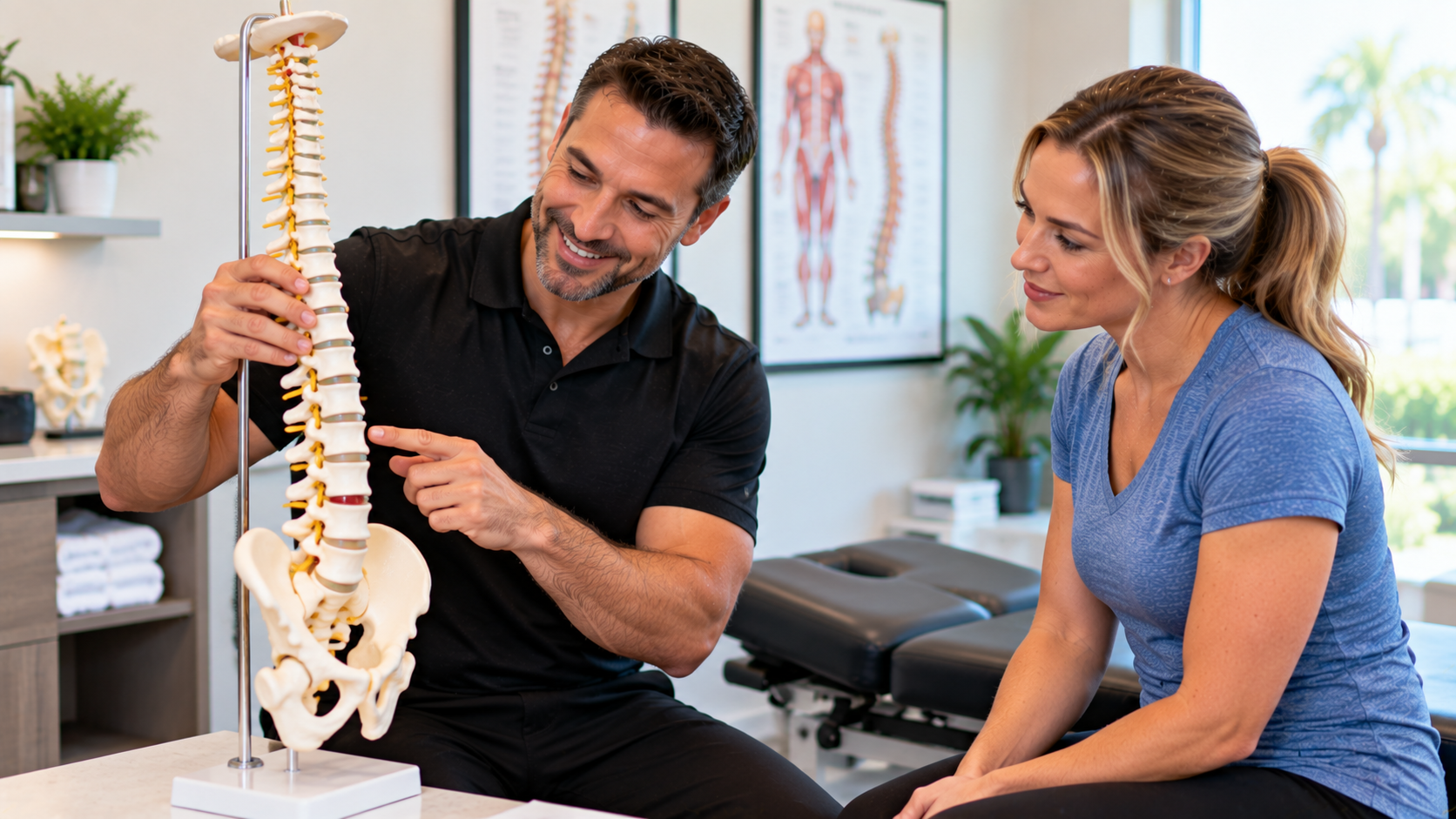
Your first chiropractic visit in Dunedin, FL at Hayes Family Chiropractic includes a health history intake, a comprehensive physical and orthopedic examination, a review of your X-rays or prior imaging if relevant, and a consultation where your chiropractor explains findings and recommends a care plan. Most new patients also receive their first adjustment during this same appointment. The entire first visit typically lasts 45 to 60 minutes. You can complete the new patient intake form online before arriving to make the process faster. Wear comfortable clothing that allows access to your spine and bring your insurance card, a photo ID, and any relevant imaging such as MRI or X-ray reports. The team at Hayes Family Chiropractic will walk you through each step so you know exactly what to expect throughout your visit.
Before Your First Chiropractic Appointment: What to Prepare
Arriving prepared makes your first chiropractic visit in Dunedin more efficient and allows the doctor to spend more time focused on your care. The most important thing to bring is a clear description of your primary complaint: where the pain is located, when it started, what makes it better or worse, and what treatments you have already tried. The more specific you can be, the more useful the information is to the chiropractor.
Bring your health insurance card and a photo ID if you plan to use insurance. If you have had any prior imaging such as X-rays, MRI, or CT scans related to your complaint, bring physical copies or digital access to those reports. Your chiropractor at Hayes Family Chiropractic may order new X-rays if they are clinically indicated and not already available, but existing imaging gives a valuable baseline for comparison.
Wear or bring comfortable, loose-fitting clothing that allows the chiropractor to access your spine and joints. Athletic shorts and a t-shirt work well for most patients. Avoid wearing tight jeans, belts, or restrictive back braces that could limit the examination. Finally, consider completing the new patient form online before your appointment to reduce waiting room time and give the doctor the chance to review your history in advance.
The Health History and Initial Consultation
The first portion of your chiropractic visit is a detailed health history review. Your chiropractor will ask about the nature and timeline of your current complaint, your past medical and surgical history, medications you take, any prior chiropractic care, and your lifestyle including occupation, physical activity level, and sleep habits. This information helps identify contributing factors and contraindications to specific techniques.
You will also discuss your goals for care. Some patients want to resolve acute pain as quickly as possible. Others are seeking long-term relief from a chronic condition, or simply want to maintain their current level of function and prevent future problems. Sharing your goals clearly at the outset helps the doctors at Hayes Family Chiropractic design a care plan that aligns with what matters most to you.
This consultation is also your opportunity to ask questions. Good questions to ask during your first visit include: What is causing my pain? What are my treatment options? How many visits will I likely need? What should I avoid doing while I am in care? And what results should I realistically expect? Your chiropractor should be able to give clear, direct answers to all of these.
The Physical Examination at Your First Visit
Following the health history, your chiropractor will perform a physical examination tailored to your specific complaint. For spinal complaints, this typically includes a postural assessment to identify imbalances in the spine and pelvis, range-of-motion testing in all relevant directions, orthopedic and neurological tests to identify nerve involvement, and palpation of the spine and surrounding muscles to identify restricted joints and areas of tenderness.
If neurological symptoms such as numbness, tingling, or weakness are present, the examination will include additional testing of deep tendon reflexes and sensory and motor function in the affected limbs. This helps differentiate a simple mechanical pain condition from one involving nerve compression that may require imaging or a different treatment approach.
If X-rays are indicated based on the history and examination findings, they may be taken during the first visit. X-rays help identify structural abnormalities such as spinal degeneration, disc space narrowing, scoliosis, or fractures that would not be apparent on examination alone. At Hayes Family Chiropractic in Dunedin, FL, imaging decisions are made based on clinical necessity, not routine practice.
Your Personalized Care Plan
Once the examination is complete, your chiropractor will review the findings with you and recommend a treatment approach. The care plan will include an explanation of the diagnosis in plain language, the recommended treatment type and frequency, the expected timeline for improvement, and any self-care recommendations you can follow between visits to accelerate your progress.
Care plans at Hayes Family Chiropractic are never one-size-fits-all. A patient with an acute lumbar strain who has been in pain for two weeks will have a different plan than a patient with chronic degenerative disc disease who has had intermittent pain for years. The frequency of visits, the techniques used, and the inclusion of adjunctive therapies such as deep tissue laser therapy are all customized to your specific clinical picture.
You will be asked to agree to the proposed plan before any treatment begins. A good chiropractor near Dunedin will never pressure you into committing to a long treatment contract before establishing whether you are responding to care. At Hayes Family Chiropractic, care plans are designed to evolve with your progress.
Will You Receive an Adjustment on Your First Visit
In most cases, yes. The majority of new patients at Hayes Family Chiropractic in Dunedin receive their first adjustment on the same day as their initial examination, as long as no contraindications are identified during the intake process. This approach allows you to begin experiencing the benefits of chiropractic care immediately rather than waiting for a separate treatment appointment.
Your first adjustment will be gentle and targeted to the specific areas identified during the examination. Your chiropractor will explain what they are doing before each step and will check in about your comfort level throughout. Some patients feel immediate relief following their first adjustment. Others experience mild soreness in the treated areas for 24 to 48 hours afterward, which is a normal response to the muscles and joints being mobilized for the first time.
If you have concerns about adjustment techniques, tell your chiropractor before the appointment begins. Hayes Family Chiropractic offers multiple adjustment styles, including low-force and instrument-assisted options, for patients who prefer a gentler approach or have conditions that make traditional high-velocity adjustments less appropriate. Contact the clinic before your visit if you have specific questions about techniques.
How long does the first chiropractic visit take in Dunedin, FL?
The first chiropractic visit at Hayes Family Chiropractic in Dunedin, FL typically takes 45 to 60 minutes. This includes the health history intake, physical and orthopedic examination, X-rays if needed, care plan consultation, and the first adjustment. Completing the new patient intake form online before your appointment can reduce the administrative portion of your visit.
What should I wear to my first chiropractic appointment?
Wear comfortable, loose-fitting clothing that allows easy access to your spine. Athletic shorts and a t-shirt are ideal. Avoid tight jeans, restrictive clothing, or back braces that may limit the examination. If you forget, the clinic can provide a gown for the examination portion of your visit.
Will the chiropractor take X-rays at my first visit?
X-rays are ordered when they are clinically indicated based on the history and physical examination findings. Not every new patient requires X-rays. Your chiropractor at Hayes Family Chiropractic will explain whether imaging is recommended for your specific situation and why before proceeding.
Is the first chiropractic visit painful?
The first visit is rarely painful. The examination involves gentle palpation and range-of-motion testing. The first adjustment may produce some unfamiliar sensations or mild soreness in the treated areas for 24 to 48 hours afterward, but this is a normal part of the adjustment process and typically resolves quickly. Most patients find the adjustment experience comfortable and report feeling looser and lighter immediately afterward.
Can I drive myself to my first chiropractic appointment?
Yes. Most patients drive themselves to and from chiropractic appointments without any issue. Chiropractic adjustments do not involve anesthesia or sedation and do not impair your ability to drive. Some patients experience temporary mild dizziness after a cervical adjustment, which passes quickly, but this is uncommon.
How soon after my first visit will I feel better?
Many patients experience noticeable improvement in pain and mobility after their first one to three adjustments. The timeline depends on the underlying condition, its severity, and how long you have had the problem. Your chiropractor at Hayes Family Chiropractic will give you a realistic expectation during your first visit and reassess regularly as your care plan progresses.
How Much Does a Chiropractor Cost in Dunedin, FL?

Chiropractic costs in Dunedin, FL vary based on the type of visit, the services included, and your insurance coverage. A standard chiropractic adjustment for an established patient typically ranges from $30 to $75 per visit in Florida. An initial new-patient visit, which includes a health history review, physical examination, and care plan consultation, generally ranges from $75 to $200. Most major insurance plans, including Medicare, cover medically necessary chiropractic adjustments, which significantly reduces out-of-pocket costs. At Hayes Family Chiropractic in Dunedin, FL, insurance is verified before your first appointment, and the team provides transparent pricing for all services. If cost is a concern, ask about self-pay rates and whether a consultation can help you understand your coverage before committing to a care plan.
What Does a First Chiropractic Visit Cost in Dunedin, FL
The first chiropractic visit is typically the most expensive appointment in a care plan because it includes more than an adjustment. At Hayes Family Chiropractic and most clinics near Dunedin, the initial visit includes a comprehensive health history intake, a physical and neurological examination, orthopedic testing relevant to your complaint, and a consultation where the chiropractor explains findings and discusses treatment options. If imaging such as X-rays is ordered, that may add to the overall cost of the first visit.
With insurance, your first visit cost depends on whether your deductible has been met and whether chiropractic is a covered benefit under your specific plan. Many patients with commercial insurance pay only a co-pay of $20 to $50 for their first visit once the deductible is satisfied. Without insurance, new patient visit costs at quality chiropractic clinics near Dunedin typically fall between $100 and $200 for the full intake and examination.
At Hayes Family Chiropractic, the team is upfront about costs before your visit so you can plan accordingly. Complete the new patient form online and let the front desk team verify your benefits and confirm your expected out-of-pocket cost in advance.
What Factors Affect Chiropractic Cost
Several factors influence how much you will pay for chiropractic care near Dunedin, FL. The type and complexity of the adjustment matters: a single-region adjustment for an uncomplicated muscle strain costs less than a multi-region treatment session addressing cervical, thoracic, and lumbar restrictions together. Additional therapies such as deep tissue laser therapy, spinal decompression, soft tissue work, or therapeutic ultrasound each carry their own cost, though many clinics bundle these with adjustment sessions at a package rate.
Visit frequency also affects total cost. A patient seen three times per week during an acute phase of care accumulates costs faster than a patient on a once-per-month maintenance schedule. Your chiropractor’s recommended frequency should reflect clinical necessity, not financial preference, and a good chiropractor near Dunedin will reduce frequency as your condition improves.
Geographic location affects pricing modestly: chiropractic costs in the Dunedin and Clearwater area of Pinellas County are generally consistent with state averages, though specialized clinics in higher-cost metro areas may charge more. When comparing costs across clinics near Dunedin, also compare what is included in each visit type so you are making an equivalent comparison.
Does Insurance Cover Chiropractic Care in Dunedin, FL
Yes. Most major commercial insurance plans, including Blue Cross Blue Shield, Aetna, Cigna, and United Healthcare, cover medically necessary chiropractic adjustments. Coverage levels and annual visit limits vary by plan, and some plans require a co-pay or co-insurance per visit. Understanding your specific benefits before your first appointment prevents billing surprises and helps you plan your care around your out-of-pocket budget.
Medicare Part B covers chiropractic adjustments for Medicare-eligible patients when the treatment is medically necessary for a subluxation of the spine. Medicare does not cover the initial examination, X-rays, or massage therapy performed by a chiropractor, but it does cover the adjustment itself at approximately 80 percent of the approved amount after the annual deductible is met. Patients with a Medicare supplement plan may have those costs further reduced.
Florida Medicaid covers chiropractic services for eligible members under certain managed care plans. Coverage varies by plan, so it is important to confirm with your specific Medicaid plan whether chiropractic is covered. Hayes Family Chiropractic verifies insurance benefits for all new patients before the first visit and will advise you on what your specific plan covers.
Self-Pay and Cash-Pay Chiropractic Options Near Dunedin, FL
If you do not have insurance or your plan does not cover chiropractic, self-pay rates at quality clinics near Dunedin are typically lower than the standard billed rate. Many chiropractic practices offer discounted cash-pay pricing for patients who pay at the time of service. Ask about this option explicitly when you call to schedule, as it is not always advertised.
Some clinics also offer treatment packages that reduce the per-visit cost when you purchase a block of visits in advance. While these can represent genuine savings, be cautious of high-pressure sales tactics that push you into purchasing large packages before your condition and expected visit count have been assessed. A good chiropractor near Dunedin will let clinical need drive the recommendation rather than sales targets.
At Hayes Family Chiropractic, the team works with each patient to find an approach that is clinically appropriate and financially workable. Whether you have insurance or are paying out of pocket, contact the clinic for transparent pricing information specific to your situation.
What You Get for Your Investment in Chiropractic Care
Chiropractic care is a cost-effective alternative to the long-term financial burden of medication dependence, specialist referrals, MRI imaging, and eventually surgical intervention for many musculoskeletal conditions. Research consistently shows that patients who receive early chiropractic care for back and neck pain have lower total healthcare costs over time compared to those who pursue a medication-first approach.
Beyond direct cost comparison, consider the value of restored function: returning to work without pain, sleeping through the night, picking up your children without discomfort, and avoiding the side effects of long-term pain medication use. These quality-of-life improvements are difficult to assign a dollar figure to, but they represent the core value proposition of chiropractic care for most patients.
If you are weighing the cost of chiropractic care against continuing to manage pain with over-the-counter or prescription medication, scheduling a consultation at Hayes Family Chiropractic in Dunedin gives you a clinical perspective on what treatment would involve, how long it is likely to take, and what it is expected to cost before you commit to anything.
How much does a chiropractic adjustment cost in Dunedin, FL without insurance?
Without insurance, a standard chiropractic adjustment in Dunedin, FL typically costs between $40 and $100 per visit. A new patient visit including examination and care plan consultation generally ranges from $100 to $200. Hayes Family Chiropractic offers transparent self-pay pricing and can discuss options before your first appointment.
Does Medicare cover chiropractic care near Dunedin, FL?
Yes. Medicare Part B covers medically necessary chiropractic adjustments for subluxation of the spine at approximately 80 percent of the approved amount after your annual deductible. Medicare does not cover chiropractic examinations, X-rays, or massage therapy. A Medicare supplement plan may cover the remaining 20 percent co-insurance.
How much is a chiropractor visit with Blue Cross Blue Shield in Florida?
Blue Cross Blue Shield of Florida typically covers chiropractic adjustments as part of most individual and employer plans, subject to co-pays, deductibles, and annual visit limits that vary by specific plan. A typical co-pay for a chiropractic visit with BCBS ranges from $20 to $50 per visit once your deductible is met. Hayes Family Chiropractic will verify your specific BCBS benefits before your first appointment.
Is chiropractic care worth the cost?
For most patients with back pain, neck pain, sciatica, or related musculoskeletal conditions, chiropractic care represents a cost-effective approach compared to the long-term costs of medication, imaging, specialist visits, and potential surgery. Many patients achieve lasting improvement with a defined course of chiropractic treatment that costs less than a single MRI.
Does chiropractic cost more for additional services like laser therapy?
Yes. Complementary services such as deep tissue laser therapy, spinal decompression, or therapeutic ultrasound are typically billed separately from the chiropractic adjustment. Hayes Family Chiropractic will explain the cost of any recommended additional services before adding them to your plan and work with your insurance to maximize coverage where applicable.
Can I use my HSA or FSA to pay for chiropractic care in Dunedin, FL?
Yes. Chiropractic care is a qualified medical expense for both Health Savings Account (HSA) and Flexible Spending Account (FSA) purposes under IRS guidelines. You can use HSA or FSA funds to cover chiropractic adjustments, examinations, and related services at Hayes Family Chiropractic in Dunedin, FL.
Who Is a Good Chiropractor Near Me in Dunedin, FL for Back and Neck Pain?

A good chiropractor for back and neck pain near Dunedin, FL targets the underlying cause of pain rather than masking symptoms. Chiropractic adjustments restore proper spinal alignment, reduce nerve irritation, and relieve the muscle tension that drives both acute and chronic back and neck pain. At Hayes Family Chiropractic in Dunedin, FL, every patient receives a thorough examination before treatment begins, ensuring the care plan addresses the actual source of the pain. The clinic also combines adjustments with deep tissue laser therapy for faster relief and integrates corrective exercises and posture guidance to prevent recurrence. Scheduling a new patient visit is the first step toward lasting back and neck pain relief.
What Back and Neck Conditions Does Chiropractic Care Treat
Chiropractic care is effective for a wide range of back and neck conditions, including acute muscle strains, herniated discs, degenerative disc disease, facet joint dysfunction, pinched nerves, and postural imbalances that develop from prolonged sitting or screen use. For neck pain specifically, chiropractic addresses cervicogenic headaches, whiplash injuries, cervical radiculopathy, and upper thoracic restrictions that limit range of motion.
One of the most important distinctions between chiropractic and medication-based treatment is that chiropractic targets the mechanical problem causing pain, not just the pain signal itself. When spinal joints are misaligned, they create abnormal stress on surrounding discs, muscles, and nerves. A good chiropractor near Dunedin will identify exactly which segments are involved and apply specific adjustments to normalize their function, addressing the root cause rather than simply reducing inflammation temporarily.
Hayes Family Chiropractic in Dunedin, FL has helped hundreds of patients resolve back and neck pain that had failed to improve with medication, physical therapy, or rest alone. The key is accurate diagnosis followed by a structured treatment plan that evolves as the patient progresses.
How Chiropractic Adjustments Relieve Back Pain
A chiropractic adjustment, also called a spinal manipulation, is a precise, controlled force applied to a specific vertebral joint to restore normal motion and alignment. When a joint is restricted or misaligned, the surrounding muscles guard it by tensing up, which creates the characteristic stiffness and achiness associated with back pain. The adjustment releases that restriction, allowing the muscles to relax and nerve signals to normalize.
For lower back pain in particular, chiropractic adjustments reduce the pressure placed on the lumbar discs and facet joints that bear most of the body’s load during daily movement. Many patients report immediate improvement in mobility and a significant reduction in pain intensity following an adjustment, though lasting change generally requires a series of visits that allow the spine to stabilize in its corrected position.
At Hayes Family Chiropractic in Dunedin, FL, the doctors use a variety of adjustment techniques matched to each patient’s condition and comfort level. These range from traditional high-velocity, low-amplitude adjustments to gentler instrument-assisted or flexion-distraction techniques for patients with disc conditions or those who prefer a softer approach.
How Chiropractic Addresses Neck Pain and Cervicogenic Headaches
Neck pain is often more complex than it appears because the cervical spine is involved in nearly every upper body movement. Restricted joints in the neck limit rotation and lateral flexion, creating compensatory tension in the surrounding muscles that frequently radiates to the shoulders, upper back, and base of the skull. This is why many people with chronic neck pain also suffer from headaches that originate in the cervical spine rather than the brain.
Chiropractic adjustments to the cervical and upper thoracic spine restore joint motion, reduce muscle hypertonicity, and decrease the nerve irritation that drives cervicogenic headaches. Many patients who have relied on over-the-counter pain relievers for years find that consistent chiropractic care significantly reduces both the frequency and intensity of their headaches without medication.
A good chiropractor near Dunedin, FL will also evaluate your workstation setup, screen habits, sleeping posture, and pillow support as part of neck pain care, because structural treatment only goes so far if the mechanical stresses causing the problem are not also addressed. Book a consultation at Hayes Family Chiropractic to get a complete neck pain assessment.
Combining Chiropractic With Laser Therapy for Faster Back and Neck Pain Relief
One of the reasons patients choose Hayes Family Chiropractic over other clinics near Dunedin is the availability of deep tissue laser therapy as a complement to chiropractic adjustments. While adjustments correct the structural problem, laser therapy accelerates the healing of the soft tissue damage, inflammation, and nerve irritation that accompany it. The combination is particularly effective for patients with stubborn or long-standing back and neck pain.
Laser therapy uses targeted photobiomodulation to stimulate cellular repair, reduce inflammatory markers, and improve local circulation in damaged tissue. For neck pain involving disc herniation or nerve root irritation, this can significantly shorten the pain-relief timeline compared to adjustments alone. For lower back conditions with significant muscle guarding or disc involvement, laser therapy reduces the inflammatory load that makes adjustment initially uncomfortable.
The pairing of these two therapies within a single visit at Hayes Family Chiropractic in Dunedin, FL makes the overall treatment more efficient and the patient experience more comfortable, especially in the early stages of care when pain levels are highest.
Schedule With a Good Chiropractor Near You in Dunedin, FL
If you have been living with back or neck pain that has not resolved on its own, chiropractic care offers a clinically supported, non-surgical path to lasting relief. The doctors at Hayes Family Chiropractic have helped patients across Dunedin, Clearwater, Palm Harbor, and the greater Pinellas County area recover from both acute injuries and chronic pain conditions.
New patients receive a thorough consultation and examination on their first visit, and same-week appointments are typically available. Complete the new patient form online before your visit to streamline your intake process and give the doctor more time to focus on your care.
Can a chiropractor fix chronic back and neck pain near Dunedin, FL?
Chiropractic care effectively addresses many causes of chronic back and neck pain by restoring spinal alignment, improving joint mobility, and reducing nerve irritation. Results depend on the underlying diagnosis, duration of the condition, and patient compliance with the recommended care plan. Many patients with chronic pain experience significant improvement within several weeks of consistent treatment at Hayes Family Chiropractic in Dunedin, FL.
How many chiropractic visits does it take to relieve back pain?
The number of visits needed to relieve back pain depends on the severity, duration, and cause of the pain. Acute injuries often improve within four to eight visits. Chronic conditions or structural issues such as disc herniation or degenerative disc disease typically require a longer course of care, often spanning several weeks to months, with a reassessment built into the care plan.
Is chiropractic safe for neck pain treatment?
Yes. Chiropractic care for neck pain is safe when performed by a licensed chiropractor who conducts a thorough examination first. The risk of serious adverse events from cervical adjustments is very low. At Hayes Family Chiropractic in Dunedin, the doctors screen every patient for contraindications and select adjustment techniques appropriate for each individual’s condition and health history.
Can a chiropractor near me help with both upper and lower back pain?
Yes. Chiropractors are trained to assess and treat the entire spine, from the cervical spine in the neck down through the thoracic and lumbar spine to the sacrum and pelvis. Many patients present with pain in multiple regions that are mechanically connected. A comprehensive chiropractic examination identifies all contributing areas and addresses them within an integrated treatment plan.
What is the difference between a chiropractor and a physical therapist for back pain?
Chiropractors specialize in spinal manipulation and the diagnosis of musculoskeletal and neuromuscular conditions. Physical therapists focus primarily on rehabilitative exercise, movement retraining, and functional restoration. Both can be effective for back pain, and many patients benefit from a combination of both. Hayes Family Chiropractic integrates corrective exercise guidance alongside chiropractic adjustments to provide a more complete treatment approach.
Do I need to see a chiropractor regularly once my back pain resolves?
Maintenance chiropractic care after active pain resolves is optional but can be beneficial for preventing recurrence, especially for patients with physically demanding jobs, poor posture habits, or a history of recurring pain. Your chiropractor at Hayes Family Chiropractic will discuss maintenance recommendations based on your specific case and let you decide what schedule works best for your lifestyle.
How to Find the Best Chiropractor Near Me in Dunedin, FL: What Should I Look For?

The best chiropractor near you in Dunedin, FL combines verified credentials, a broad range of services, genuine patient reviews, and a personalized approach to care. At Hayes Family Chiropractic in Dunedin, FL, patients of all ages receive tailored treatment plans built around their specific goals and health history. Key factors to evaluate include state licensure, years of clinical experience, technique variety, insurance acceptance, and whether the clinic offers complementary services such as deep tissue laser therapy and spinal decompression. Scheduling a new patient consultation is the single most reliable way to assess whether a chiropractor is the right fit for your needs before committing to a care plan.
Why Credentials and Licensure Matter When Choosing a Chiropractor
In Florida, chiropractors must complete a Doctor of Chiropractic (DC) degree from an accredited institution and pass all four parts of the National Board of Chiropractic Examiners (NBCE) exam before receiving state licensure. This baseline ensures that any licensed chiropractor in Dunedin has completed rigorous academic and clinical training. Visit the clinic’s website or ask directly about the doctor’s education, specialty certifications, and continuing education history. Post-graduate training in areas such as pediatric chiropractic, sports injury rehabilitation, or prenatal care signals a commitment to expanding clinical competence beyond the minimum required.
Credentials matter because chiropractic techniques vary widely. A DC who has pursued advanced training in soft tissue therapy, spinal decompression, or laser therapy can offer a broader toolkit for complex cases. The best chiropractors near Dunedin, FL will be transparent about their training and comfortable discussing which approach best fits your specific condition.
How to Read Patient Reviews to Find the Best Chiropractor
Online reviews on Google, Healthgrades, and Yelp provide a reliable window into what real patients experience before, during, and after treatment. When evaluating a chiropractor near Dunedin, FL, look beyond the overall star rating and focus on patterns in the written reviews. Consistent mentions of a specific doctor by name, descriptions of lasting relief rather than short-term fixes, and comments about staff friendliness and appointment availability all signal a practice that delivers genuine value.
Red flags in reviews include repeated complaints about overbilling, pressure to commit to long treatment contracts, or dismissive responses to patient concerns. The top-rated chiropractic clinics near Dunedin build their reputation through clinical results and patient relationships, not through aggressive sales practices. A clinic with hundreds of detailed, positive reviews collected over several years is a reliable indicator of consistent quality care.
Hayes Family Chiropractic consistently earns five-star recognition across review platforms because of its patient-first philosophy and results-driven treatment approach. Patients frequently note personalized attention, comprehensive care plans, and meaningful improvement in pain and mobility. Reading those real-patient experiences can help you form an accurate picture of what to expect at your first appointment with Dunedin’s top-rated chiropractic team.
Range of Services: Why a Full-Service Clinic Is the Better Choice
The best chiropractic clinics near Dunedin, FL offer more than manual spinal adjustments. While the adjustment is the core of chiropractic care, many patients achieve faster and more complete results when chiropractic is combined with complementary therapies. Ask whether the clinic provides spinal decompression, deep tissue laser therapy, soft tissue work, corrective exercises, posture correction, or prenatal and pediatric chiropractic care.
A clinic that offers this range of services can adapt your treatment as your condition evolves. For example, a patient presenting with acute lower back pain may begin with adjustments and laser therapy for pain relief, then transition to spinal decompression for disc support, and eventually to maintenance care that preserves their progress. This continuity of care within a single practice is far more convenient and often more clinically effective than coordinating between multiple providers.
Hayes Family Chiropractic in Dunedin offers a comprehensive suite of services specifically designed to meet the needs of the whole family, from infants and children to active adults and seniors. If you are searching for the best chiropractor near Dunedin who can handle your entire household’s wellness needs, scheduling a new patient visit will show you what integrated family chiropractic care looks like in practice.
Location, Hours, and Insurance: The Practical Side of Finding a Good Chiropractor
Clinical quality matters most, but practical factors determine whether you will actually follow through with your care plan. The best chiropractor for your needs is one you can realistically see as often as recommended. When evaluating chiropractors near Dunedin, FL, consider office location relative to your home or workplace, availability of same-week or same-day appointments, and whether the clinic offers hours that fit your schedule, including early morning or weekend slots.
Insurance acceptance is another key practical consideration. Chiropractic care is covered by most major health insurance plans, Medicare, and many Florida Medicaid programs when medically necessary. The best chiropractic clinics near Dunedin will verify your insurance benefits before your first visit and explain exactly what your plan covers, what co-pays apply, and whether a deductible must be met. This transparency prevents billing surprises and helps you plan your care.
Hayes Family Chiropractic accepts most major insurance plans and offers flexible scheduling options designed for busy Dunedin families. The clinic is conveniently located and easy to reach from surrounding communities including Clearwater, Palm Harbor, and Safety Harbor. If you are ready to stop searching and start feeling better, contact the clinic today to confirm insurance and schedule your first appointment.
Questions to Ask Before Choosing a Chiropractor in Dunedin, FL
Arriving at your first consultation with the right questions helps you assess whether the chiropractor is the right fit. Ask how many years the doctor has been in practice and what conditions they treat most often. Ask whether they will perform a thorough examination before recommending treatment, and whether imaging such as X-rays will be ordered if clinically appropriate.
Ask how they communicate your treatment plan, what the expected timeline for improvement looks like for your specific condition, and how they adjust the plan if you are not progressing as expected. A great chiropractor near Dunedin will welcome these questions because a well-informed patient is a better partner in the care process. Clinics that resist transparency or push hard for long prepaid treatment packages before completing an examination warrant caution.
At Hayes Family Chiropractic, the doctors take time at every new patient visit to explain the examination findings, discuss your treatment options, and answer every question before beginning care. That open, collaborative approach is part of why patients consistently rank this clinic among the best chiropractors near Dunedin, FL.
Who is the best chiropractor near me in Dunedin, FL?
Hayes Family Chiropractic is one of the top-rated chiropractic clinics near Dunedin, FL, recognized for personalized care, a broad range of services, and consistent five-star patient reviews. The clinic serves patients of all ages and offers chiropractic adjustments, laser therapy, spinal decompression, pediatric care, prenatal care, and wellness programs.
What should I look for when choosing a chiropractor near me?
Look for state licensure, verified patient reviews, a broad range of services, insurance acceptance, and a thorough examination process before treatment begins. The best chiropractic clinics near Dunedin, FL will conduct a full health history and physical exam before recommending a care plan, never the other way around.
How do I know if a chiropractor is qualified in Florida?
Florida chiropractors must hold a Doctor of Chiropractic degree from an accredited institution and pass the National Board of Chiropractic Examiners exam to receive state licensure. You can verify any Florida chiropractor’s license and standing through the Florida Department of Health’s online license lookup tool.
Does a good chiropractor near me take insurance in Dunedin, FL?
Most established chiropractic clinics near Dunedin, FL accept major insurance plans including Blue Cross Blue Shield, Aetna, Cigna, United Healthcare, and Medicare. Hayes Family Chiropractic verifies your insurance benefits before your first visit and provides transparent information about your coverage and out-of-pocket costs.
How long should I try chiropractic care before deciding if it works?
Most patients experience noticeable improvement within four to eight visits, though complex or chronic conditions may take longer. A good chiropractor near Dunedin will reassess your progress at regular intervals and adjust the treatment plan based on clinical findings. If you are not making progress, your chiropractor should discuss alternative approaches or refer you to another specialist.
Can I book the best chiropractor near me in Dunedin, FL online?
Yes. Hayes Family Chiropractic offers online appointment scheduling and a new patient intake form so you can complete paperwork before your first visit. Same-week appointments are typically available. Visit the new patient page to get started.